At first, the signs are often pretty subtle.
Maybe the leaves on one of your trees look a little yellow, or you see a few caterpillars on a shrub. But in no time at all, the problem gets out of hand.
The tree starts shedding a ton of leaves. The caterpillars have spread to the surrounding shrubs.
The next thing you know, you’re calling a tree-care team to come remove your tree or replace your shrubs.
But it doesn’t have to happen this way. The RTEC Treecare team offers a variety of plant health care services that can help address plant and tree threats, whether they’re caused by insects, disease, fungi, or environmental issues.
What Is Plant Health Care?
Plant health care (PHC) is a proactive approach to maintaining the health, appearance, and longevity of trees and shrubs.
Rather than waiting until a tree is severely damaged by insects, disease, drought, or other stressors, PHC focuses on identifying potential problems early and taking steps to prevent them from becoming more serious.
PHC programs — which may be offered as one-off services or ongoing treatment regimens — often include services ranging from tree and shrub inspections to pest and disease management to soil health improvement.
When employed in a comprehensive, coordinated way, these services help support healthy growth, improve resilience, and protect your landscape.
The specific services a property needs can vary widely depending on the types of plants present, site conditions, and the challenges affecting the landscape. However, the goal is always the same: to help support your trees and shrubs so they can remain healthy, attractive, and better equipped to thrive.
Plant Health Care Services We Offer
It’s important to understand that PHC isn’t a single service; it’s a collection of diagnostic, preventive, and treatment-focused services designed to support the long-term health of trees and shrubs.
Depending on the specific challenges affecting your landscape, a plant health care program may include one or more of the following services.
Root & Soil Health Services
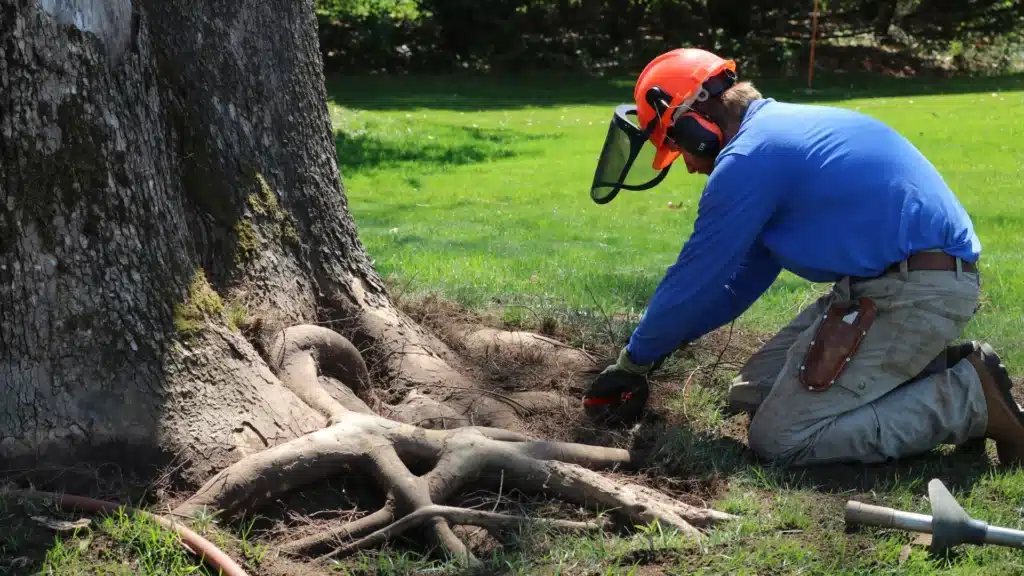
Many tree and shrub problems originate below ground. Compacted soils, buried root flares, nutrient imbalances, girdling roots, and poor root development can all contribute to declining plant health. Because of this, many plant health care services focus on improving soil conditions and supporting healthy root systems.
A few examples of the root and soil health services RTEC Treecare provides include:
- Root collar excavation
- Root pruning
- Soil aeration
- Soil testing
- Soil amendments
- Vertical mulching
- Biostimulant treatments
Together, these services can help improve root function, nutrient uptake, water movement, soil structure, and overall plant vigor.
Insect, Disease, & Pest Management
Trees and shrubs are constantly exposed to insects, diseases, and other biological threats. While some problems cause only minor cosmetic damage, others can significantly affect plant health or even lead to tree loss if left untreated.
Our PHC technicians may provide any of the following services:
- Insect monitoring and treatment
- Disease diagnosis and management
- Emerald ash borer protection
- Integrated pest management
- Targeted preventive treatments
The goal is not simply to eliminate pests or pathogens, but to protect the health of your plants and trees while minimizing unnecessary environmental impacts.
Plant Protection Programs
Some of the most effective plant health care services are preventive in nature. Rather than waiting for problems to become severe, protection programs focus on monitoring plant health, reducing stress, and providing timely treatments throughout the year.
Some of the most helpful preventive services our PHC technicians may provide include:
- Seasonal protection programs
- Preventive maintenance plans
- Canopy protection programs
- Ongoing health monitoring
- Nutrient support treatments
This proactive approach often helps identify problems earlier and reduce the likelihood of more serious issues developing over time.
Newly Planted Tree & Shrub Care
The first few years after planting are often the most critical in a tree or shrub’s life. During this establishment period, plants are particularly vulnerable to drought stress, transplant shock, pest activity, and other challenges.
Our Planting Investment Protection services help support successful establishment through ongoing monitoring, timely treatments, and recommendations designed to encourage healthy root development and long-term survival.
Wildlife & Invasive Species Management
Plant health care sometimes extends beyond individual trees and shrubs to include broader landscape issues. Things like invasive species and browsing wildlife can place significant stress on your plants and reduce the overall health of a landscape.
Some of the wildlife and invasive species management services we offer most often include:
- Invasive species removal
- Deer protection programs
- Monitoring for emerging threats
- Recommendations for improving ecosystem health
These services reduce competition, preserve plant structure, and create healthier growing conditions throughout the landscape.
Common Threats to Tree and Shrub Health
Trees and shrubs face a wide variety of challenges throughout their lives. While some problems develop gradually over many years, others can cause significant damage in a relatively short period of time.
Understanding the most common threats to plant health can help you recognize potential issues early and take action before they become more difficult or expensive to address.
Insect & Invertebrate Pests
Many insects and other invertebrates feed on leaves, bark, stems, roots, or sap, weakening trees and shrubs over time. A few of the most common pests that attack trees and shrubs include:
- Aphids
- Scale insects
- Spider mites
- Caterpillars
- Bagworms
- Hemlock woolly adelgid
- Lace bugs
- Japanese beetles
- Borers
- Emerald ash borer
- Spotted lanternfly

Early detection is often critical when dealing with these pests, as infestations are typically easier to manage before populations become established and widespread damage occurs.
Plant Diseases
Trees and shrubs are susceptible to a wide range of diseases caused by fungi, bacteria, viruses, and other pathogens. These diseases can affect leaves, branches, stems, roots, or entire plants.
Examples of common plant diseases in the DC Metro area include:
- Powdery mildew
- Anthracnose
- Leaf spot diseases
- Fire blight
- Verticillium wilt
- Beech leaf disease
- Phytophthora root rot
- Canker diseases
- Needle cast diseases
- Bacterial leaf scorch
Because many diseases produce similar symptoms, homeowners and property managers will often need the assistance of a PHC professional, who can accurately diagnose the disease and develop an effective treatment plan.
Soil & Root Problems
Root problems and poor soil conditions can cause a variety of plant health problems, as they may limit root growth, reduce nutrient uptake, and make plants more susceptible to pests, diseases, and environmental stress.
A few common soil and root-related issues our technicians often encounter include:
- Soil compaction
- Buried root flares
- Girdling roots
- Poor drainage
- Excessive fill soil
- Construction damage
- Inappropriate soil pH level
- Root-zone disturbance
- Nutrient imbalances
- Low organic matter
Because roots are responsible for absorbing water and nutrients, addressing these underlying issues is often essential for improving overall plant health.
Environmental Stress
Not all plant health problems are caused by pests or diseases; environmental conditions, inclement weather, and human activities can also cause trees and shrubs to suffer from stress.
A few of the most common environmental stresses that cause problems for plants include:
- Drought
- Excessive rainfall
- Heat waves
- Extremely cold temperatures
- Storm and wind damage
- Deicing salts
- Grade changes
- Restricted rooting space
Over time, repeated stress can reduce a plant’s vigor and ability to defend itself against insects, disease, and other threats.
Wildlife & Invasive Species
Trees and shrubs must also compete with a variety of wildlife and invasive species that can cause direct damage to the plants or reduce their access to critical resources.
A few of the animals and invasive plants that cause issues in the DC Metro area include:
- Deer
- Voles, rabbits, and rodents
- English ivy
- Oriental bittersweet
- Porcelain berry
- Japanese honeysuckle
- Tree-of-heaven
- Kudzu
Left unmanaged, these threats can reduce plant vigor, alter the structure of your landscape, and contribute to long-term decline.
Nutrient Deficiencies
Like all living organisms, trees and shrubs require a variety of nutrients to remain healthy. When essential nutrients are unavailable or difficult for roots to absorb, plants may exhibit symptoms such as yellowing leaves, poor growth, reduced flowering, and thinning canopies.
Nutrient deficiencies are often caused by things like:
- Poor soil conditions
- Soil pH imbalances
- Root damage
- Compaction
- Nutrient-poor soils
- Excessive competition from nearby plants
A professional assessment and soil test can help determine whether nutritional issues are contributing to plant decline and identify appropriate solutions.
Frequently Asked Questions About Plant Health Care
Plant health care can involve a wide variety of services, treatments, and management strategies. Below are answers to some of the most common questions homeowners and property managers ask about keeping their trees and shrubs healthy.
What is plant health care?
Plant health care (PHC) is a proactive approach to maintaining the health, appearance, and longevity of trees and shrubs. PHC programs focus on preventing problems, identifying issues early, and providing targeted treatments when necessary.
How do I know if my trees need plant health care?
Many tree and shrub problems begin with subtle symptoms that are easy to overlook. Leaf discoloration, branch dieback, premature fall color or leaf drop, thinning canopies, pest activity, and poor growth can all indicate that a plant may benefit from a professional evaluation.
Can a tree recover from a pest infestation or disease?
In many cases, yes. Trees often have an impressive ability to recover when problems are identified early and appropriate treatments are implemented. The likelihood of recovery depends on the specific pest or disease involved, the severity of the issue, and the overall health of the tree.
Are trunk injections safe for trees?
When performed properly and used in appropriate situations, trunk injections can be an effective treatment option for some pests and diseases. Because the treatment is delivered directly into the tree’s vascular system, injections often provide targeted protection while minimizing impacts to surrounding areas.
Is soil health really that important?
Absolutely. Healthy soil supports healthy roots, and healthy roots support healthy trees. Problems such as soil compaction, poor drainage, nutrient imbalances, and root damage can significantly affect a plant’s ability to absorb water and nutrients, making it more vulnerable to stress, pests, and disease.
What is a canopy protection program?
Our Canopy Protection Program is an ongoing plant health care plan that includes regular inspections, monitoring, and preventive treatments. Rather than waiting for problems to become severe, these programs focus on identifying and addressing potential issues early to help protect the long-term health of your landscape.
How often should trees and shrubs be inspected?
The ideal inspection schedule varies depending on the types of plants on the property, their age, their condition, and the specific challenges they face. However, many property owners benefit from annual inspections, while high-value landscapes often benefit from more frequent monitoring.
Is plant health care worth the investment?
For many property owners, preventive plant health care can help reduce the likelihood of costly tree removals, landscape replacements, and extensive treatments in the future. Regular monitoring and early intervention often provide the most cost-effective path to maintaining a healthy landscape.
RTEC Treecare: Your Source for Plant Health Care in the DC Metro Area
Given the value your lawn, shrubs, and trees provide, it only makes sense to obtain the preventive care they need to remain healthy and look their best. Some plant and tree health problems can be corrected, but it’s always better to take a proactive approach that stops problems before they start.

Fortunately for homeowners and property managers in the DC Metro area, it’s easy to get these kinds of plant health care services. Simply contact the RTEC Treecare team. We’ll be happy to send an expert PHC technician to your property and develop a custom treatment plan for your specific plants.