This coming Sunday, June 19th commemorates the emancipation of African-Americans from slavery. Colloquially known as “Juneteenth”, this holiday marked the start of a new beginning for black people in America during the 1800s. Since then, the African-American community has flourished and made significant contributions to improving the environment. Examples of these impacts can vary from providing fresh food, hands-on education, local revenue, and even therapy for all members of the community. We want to spotlight organizations that:
- Share a deep sense of community
- Focus on environmental justice
- Strive for environmental equality for everyone
What is Juneteenth?
Juneteenth – which is short for “June nineteenth” – is a celebration of the end of slavery in the United States. Also known as Emancipation Day, this federal holiday marks a momentous step toward equality for all Americans. Juneteenth was only recognized as a federal holiday in 2021. However, it has been observed among the black community since the year 1865. President Abraham Lincoln issued the Emancipation Proclamation in 1863, but it took years before all enslaved black people were given back their freedom. Juneteenth specifically marks the date when over 250,000 enslaved people were freed in Galveston, Texas. It has been observed annually ever since. As a way to celebrate, we wanted to use our platform this week to highlight some black-led environmental organizations!
Urban Creators
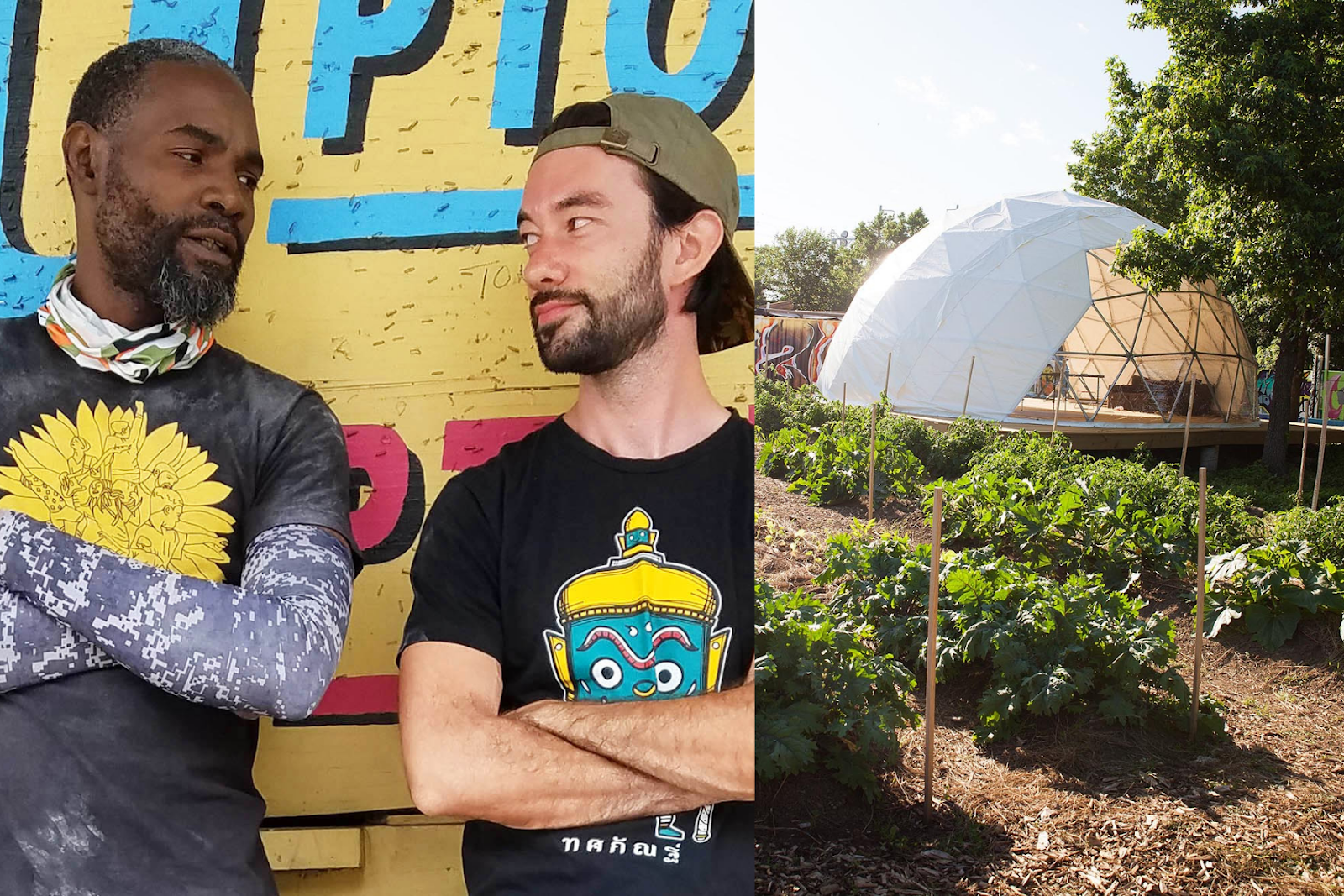
Urban Creators is a beautiful example of how people and the planet can benefit when communities come together. Founded in 2010 in Northern Philadelphia, Urban Creators has devoted its time to transform a previously vacant plot of land into an eco-friendly sanctuary known as “Life Do Grow”. This neighborhood commons lies on two acres of ancestral Native American land and is equipped with a farm, a park, outdoor classrooms, a rainwater collection system, a greenhouse, and a hub for “artistic and cultural expression”. Plus the entire system runs off of solar panels! This labor of love has allowed school children to learn about growing food in school, fed hundreds of families, and created job opportunities in the city. Now families have access to fresh local food that otherwise may not have been accessible to them. This sense of community is inspiring to see! View more of the work the Urban Creators did last year here.
Project EATS
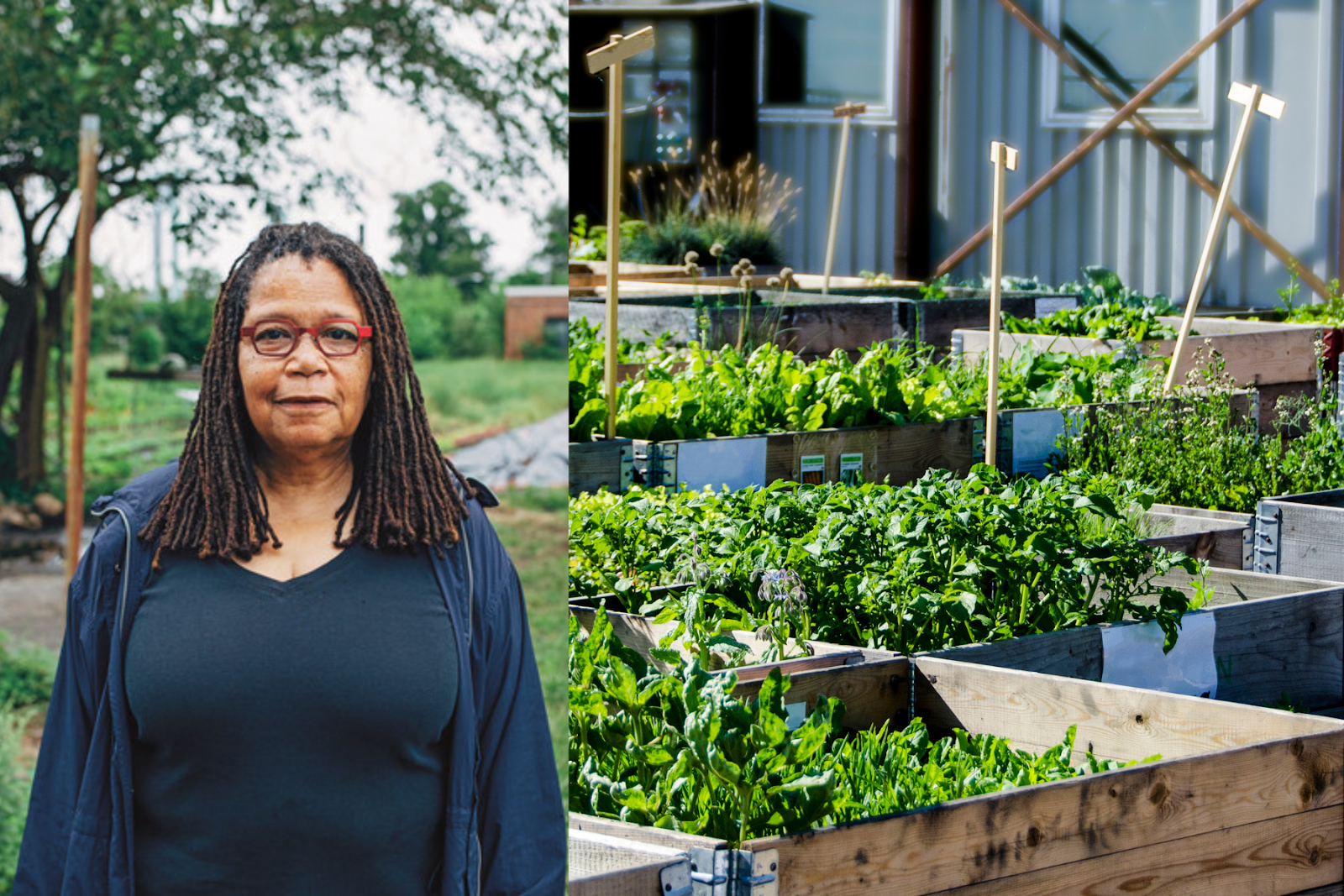
This non-profit company focuses on providing fresh food to people of its community regardless of their income level. Their mission states that they “aim for a fair society, where the resources people need for health and well-being are produced sustainably and shared equitably”. Based in New York, this organization helps neighborhoods build small high-yielding crop farms in an urban setting. The founder Linda Goode Bryant operates twenty community farms across New York. The gardens are free of pesticides, herbicides, and chemical fertilizers! Project EATS has partnerships throughout the community. These partnerships encourage creativity and give young people the opportunity to forge a connection to growing their own food.
Urban Habitat
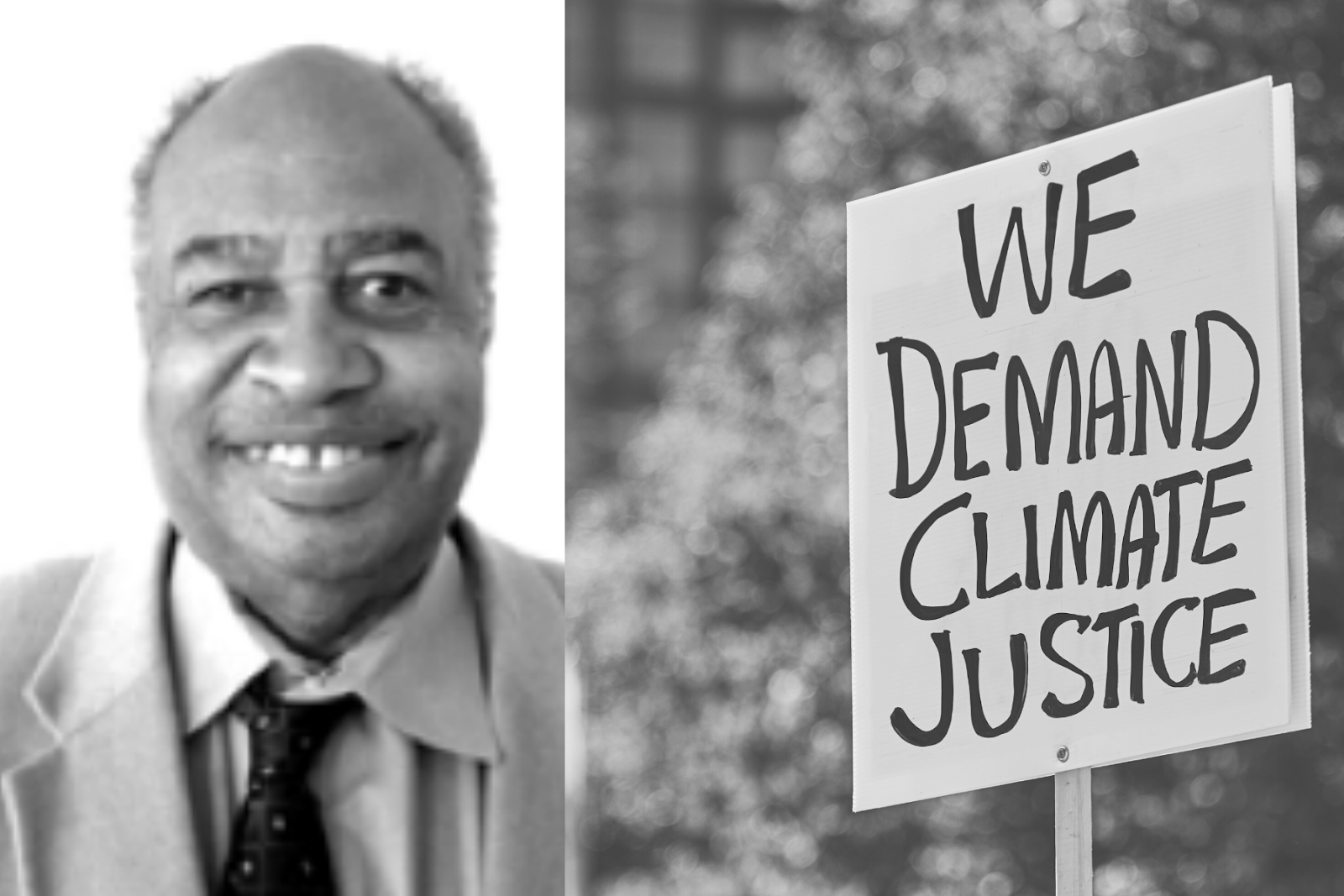
Urban Habitat strives to broaden the horizon for environmental justice organizations by considering the impacts that housing, transportation, and land use have on their communities. The company was founded in 1989 by architect Carl Anthony in California and was one of the first environmental organizations to address class and race issues. Their programs focus on making policy changes that emphasize their core values of sustainability, solidarity, and diversity. These policies have led to an increase in equitable public transportation access which in turn decreased greenhouse gas emissions throughout Bay Area communities. Urban Habitats advocates for multicultural leadership opportunities that can uplift everyone in the community.
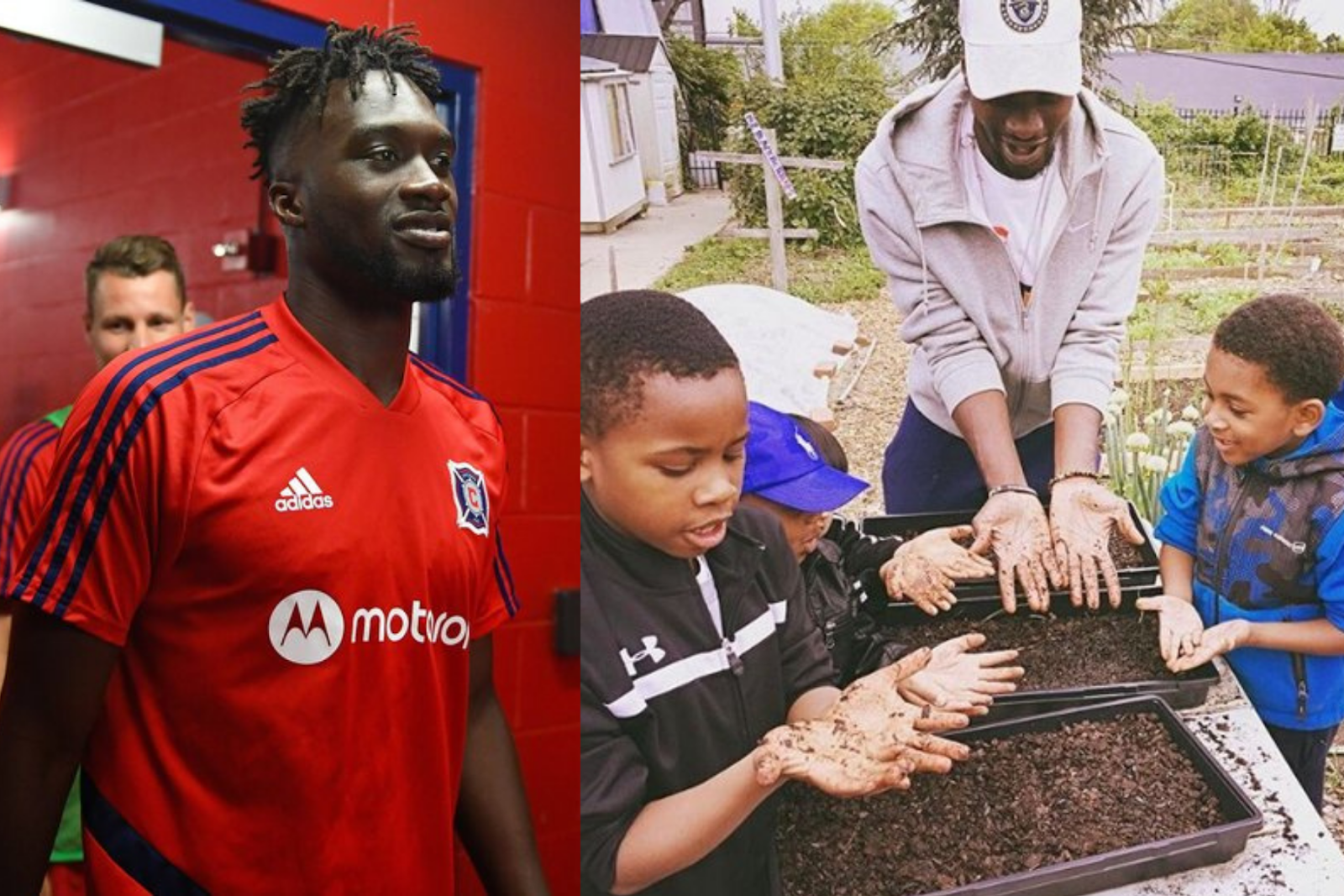
This non-profit company was started in 2017 by Manassas, Virginia native Charles “CJ” Sapong. Sapong is a Major League Soccer player who is using his platform to help communities achieve food stability. After an injury took him off of the field, Sapong saw the challenges facing his home and gained an interest for nutrition and farming. This passion bloomed into a fruitful organization. Sacred Seeds has three main goals:
- Nutrition: provide organic food to nourish the community while bringing awareness to food inequalities.
- Education: identity communities that face nutrient deficiencies and host events/classes that teach about agriculture.
- Community Building: decrease local carbon footprints, create income sources for under-served communities, and to build a strong sense of community within our food systems.
They even have an aromatic “Therapy Garden” for anyone to enjoy!
Let’s Go Outdoors
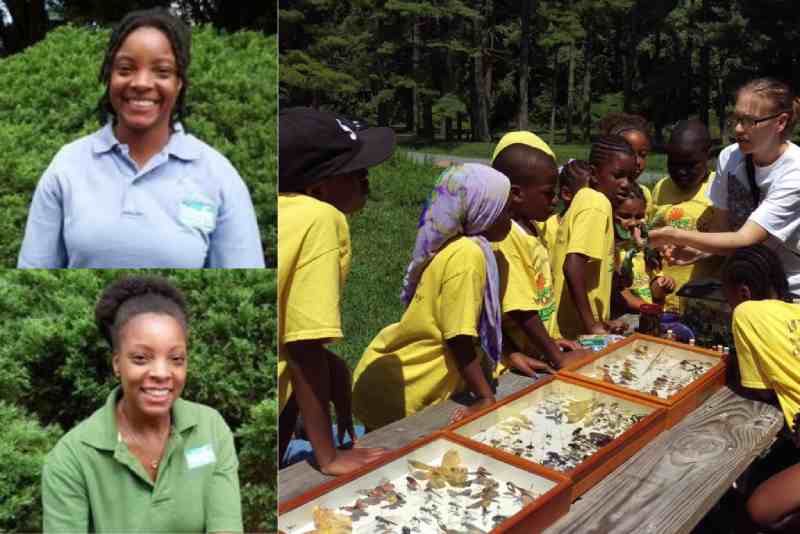
Led by co-founders and sisters Tarsha and Keisha Scovens, this program focuses on getting families to adventure into the great outdoors. Tarsha focuses on diversifying the program, making sure that all community members feel comfortable, educated, and excited about nature. On the other hand, Keisha works on therapeutic programs, which includes speech therapy for children whilst engaging in outdoor activities. According to the Outdoor Participation Trends Report from 2021, nearly 75% of outdoor participants were white. Programs like Let’s Go Outdoors support diversifying access to these activities (such as hiking, archery, and fishing) by dismantling educational and financial barriers.
Countries around the world observe different emancipation days. But no matter what day it is, we can all take the time to appreciate the advancements and contributions of black-led environmental groups. We always want to stand by what’s best for people and the planet – and we believe we can give back to nature and our communities at the same time! This Juneteenth we want to reflect on principle #16 from the Principles of Environmental Justice:
Environmental justice calls for the education of present and future generations which emphasizes social and environmental issues, based on our experience and an appreciation of our diverse cultural perspectives.