...
(703) 260-9444 MAKE AN APPOINTMENT

Tree Not Growing Leaves In Spring? Here’s Why

Tree Not Growing Leaves In Spring? Here’s Why

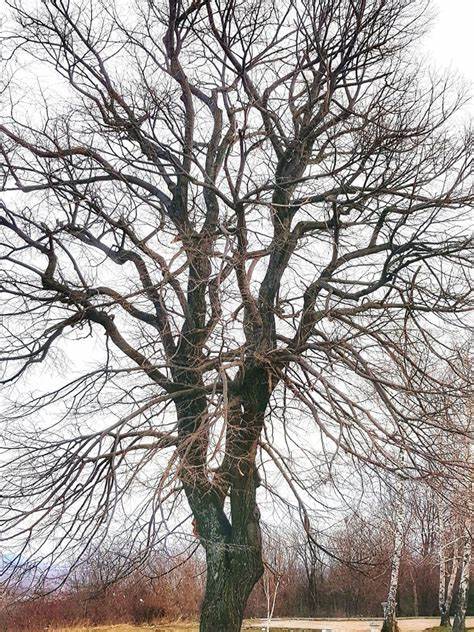
Is the tree in your yard not growing leaves this spring? If you’re concerned, you’re not alone.

People often wonder, “Why are my trees still bare or sparse with leaves?” “Is there a problem with my tree?” “Do I need a Certified Arborist to come and inspect the tree?”

In this article, we’ll explain the two reasons a tree might not be growing leaves in spring and how to know if it is time to call the best tree doctor near you.


fall tree
tree in field
Black Walnut

Certain tree species are late bloomers

Do not expect to see a black walnut tree growing leaves in early spring – it’s a late bloomer!

Knowing your tree’s species is often the first step in identifying why your tree is not growing leaves in the spring.

For example, in the Northern Virginia, MD, and DC Metro area, black walnut trees, black locust trees, and crape myrtle trees take a little longer to grow leaves. Usually, these three species are slower to “wake up” than the other 80% of trees in the area.

Solution: As the cause for slow leafing may be attributed to the tree’s species, stress, or poor health, you will need to wait a few more weeks and reassess your tree. If your tree is still not growing leaves, then you need to contact your Certified Arborist as there might be an underlying issue.


Is Your Tree Not Growing Leaves?

Spring Fungal Diseases

If a tree lacks vigor, then it’ll lack the ability to grow leaves and make critical food for optimal tree health.

Poor tree vigor can be caused by a variety of factors; in the spring, this is often connected to the rise in fungal diseases. Among these fungal diseases is Anthracnose, which is commonly found by our Certified Arborists in the Northern Virginia, MD, and DC Metro area.


deteriorating leaf
dogwood flower
Dogwood

Anthracnose

If you have a dogwood, oak, maple, or sycamore tree, you will want to proactively protect your tree against anthracnose, as these species are most susceptible.

Solution: Early spring is when fungal leaf diseases develop in trees. Don’t wait to take action – it can take several weeks to actually see the disease spots on the leaves. Treating early, before the disease develops, is critical for the tree’s health every year.

NOTE: “An ounce of prevention is worth a pound of cure” certainly applies when it comes to protecting your trees against fungal leaf disease. In other words, the best way to protect your trees is by signing up for an early treatment program. For fungal diseases, this would include a preventative fungal spray for your tree. Through expert, proactive solutions, you will protect your tree for an entire year.


What Can I Do Now?

The best thing you can do this growing season is keep your tree healthy. Improving your tree’s vigor will help protect it against the pest infestations and fungal diseases prevalent in the spring.

If you’re concerned about your trees not growing leaves this spring or are noticing additional signs of concern, reach out to your Certified Arborist today. Get a free estimate by booking online or calling us at 703-573-3029.

Call: (703) 573-3029

Lawn Compressed
Share the post:

Table of Contents

Schedule A Consultation

Have any questions? Our team is waiting to hear from you!
Meet The Author

Join Our Weekly Newsletter

Your privacy is important to us. View our Privacy Policy for details. This site is protected by reCAPTCHA and the Google Privacy Policy and Terms of Service apply.

Call The RTEC Emergency Hotline!

Before You Go...

Feel free to leave your contact information on our online form.  A consultation is always free, and it’s the first step towards finding a solution for your trees!

RTEC Treecare Local City Hall