Fall has a way of making us notice our trees again. Maples flash red and orange, leaves scatter across the lawn, and that oak outside the kitchen window suddenly looks a little different than it did a month ago.
That makes fall an excellent time to take a closer look at your landscape.
From watering and mulching to pruning, soil care, and pest management, a few well-timed steps now can help your trees head into winter in better condition and give you a head start on healthier growth next spring.
We’ll try to help you do so by walking you through the thingsNorthern Virginia homeowners should look for this fall, what you can safely handle yourself, and when it makes sense to bring in an ISA Certified Arborist for a closer look.
Why Fall Tree Care Matters in Northern Virginia
By the time Northern Virginia’s trees put on their fall color, much of the hard work of the growing season is behind them. But what’s happening above ground is only part of the story.
As deciduous trees shed their leaves and prepare for dormancy, their roots can remain active until soil temperatures drop below roughly 40°F.
That makes fall an important window for supporting the root system, replenishing moisture after a hot or dry summer, and addressing problems that could make winter harder on a tree.
Fall also gives you a chance to see what the growing season left behind. Premature leaf drop, sparse foliage, dead branches, pest damage, or changes around the trunk and roots can all provide clues about a tree’s condition.

Start With a Fall Tree Health Check
Before you reach for the pruning shears or add another layer of mulch, spend a few minutes simply looking at your trees.
Just walk around each tree, look from the ground up, and look for anything concerning.
- Leaves and Needles: Look for unusually early color or leaf drop, abnormal needle loss or browning, wilting, spotting, or other changes that don’t seem typical for the season.
- Canopy and Branches: Watch for sparse areas, deadwood, broken or hanging limbs, cracks, weak attachments, or branches extending over your home, driveway, or other high-use areas.
- Trunk and Bark: Check for cracks, cavities, loose bark, unusual holes, oozing, sawdust-like material, or fungal growth.
- Roots and Root Flare: Look for damaged or exposed roots, soil piled against the trunk, excessive mulch, mushrooms, or changes in the soil around the tree.
Keep Watering Trees When Fall Turns Dry
Cooler temperatures can make it easy to forget about watering, especially once the garden hoses start disappearing for the season. But if Northern Virginia has a dry fall, your trees may still need supplemental water well after summer ends.
But rather than watering on a fixed schedule, check the soil first.
If the soil is dry several inches below the surface, apply water slowly and deeply across the tree’s root zone. The goal is to moisten the soil where absorbing roots are growing, not simply wet the ground around the trunk.
How often a tree needs water depends on its size, age, soil type, recent rainfall, drainage, and weather. Continue checking soil moisture as temperatures fall, but avoid watering when the ground is frozen.
Protect Tree Roots with Proper Mulching
A good layer of mulch does more than make the landscape look tidy. It helps conserve soil moisture, moderates soil temperature, and protects the root zone as trees head toward winter.
But more mulch isn’t better.
Keep mulch a few inches away from the trunk and avoid piling it into the familiar mulch volcano. A layer of about 2 to 4 inches deep is generally enough to provide those benefits without burying the tree’s root flare or holding excess moisture against the bark.
Take a look at the base of the tree while you’re there. The trunk should widen naturally where it meets the ground. If it disappears straight into the soil like the base of a telephone pole, the root flare may be buried beneath excess mulch or soil.
Can You See the Root Flare?
A healthy tree base shouldn’t look like a post planted in the ground. If you can’t see where the trunk begins to flare outward, don’t start digging into the roots yourself. We can determine whether excess soil or mulch is covering the root collar and whether root collar excavation may help.
Give Compacted or Poor Soil Some Attention
Healthy trees start below ground. But residential soils in Northern Virginia may be compacted by construction, foot traffic, lawn equipment, or years of use, leaving roots with less access to the air, water, and nutrients they need.
Fall is a good time to check what’s happening around the root zone.
Standing water, compacted soil, sparse growth, exposed roots, or a tree that struggled through the growing season can all warrant a closer look. A fall soil test can also give you time to address nutrient or pH problems before spring growth begins.
And don’t assume fertilizer is automatically the answer. A soil test can help identify nutrient deficiencies, pH problems, and other conditions before you add something your tree may not need.
Depending on what we find, improving the root environment may involve soil amendments, soil aeration, vertical mulching, or biostimulant treatments rather than simply applying fertilizer.
Know Which Trees to Prune and Which to Leave Alone
Once the leaves begin to fall, you may notice branches that were hidden by the summer canopy. Dead, broken, crossing, or poorly attached limbs can become easier to see, making fall a useful time to assess a tree’s structure.
But that doesn’t mean every tree needs a fall trim. Pruning at the wrong time or removing too much live growth can create unnecessary stress, and the best timing depends on the species, the tree’s condition, and what you’re trying to accomplish.
Some pruning needs shouldn’t wait for the calendar. Dead, damaged, or hazardous branches may need attention when they’re discovered, especially if they could fall onto a home, driveway, sidewalk, or other frequently used area.
For routine pruning, we can determine whether fall is appropriate or whether your tree will benefit from waiting until later in dormancy or another season.
And if a branch is large, can’t be reached safely from the ground, or could fall on a person or structure, leave the cutting to a professional.
Address Tree Problems Before Winter Arrives
Fall doesn’t just give you time to support healthy trees. It’s also an opportunity to address problems that could worsen through winter or leave a tree more vulnerable to cold, wind, snow, and ice.
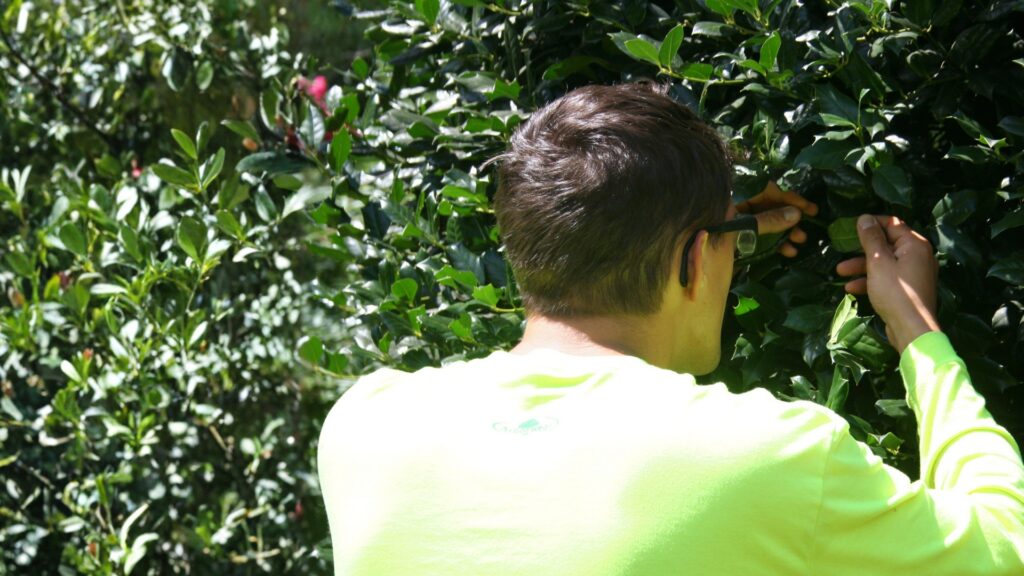
Some concerns are easy to spot during your fall walk-around. Others may require a closer look to determine whether you’re seeing normal seasonal change or something that needs attention.
Check for Pests and Disease
Cooler weather doesn’t mean tree pests and diseases disappear. Look for unusual holes in the bark, sawdust-like material, oozing, cankers, fungal growth, abnormal leaf or needle discoloration, and sections of the canopy that appear thin or dead.
But symptoms don’t always point neatly to one culprit.
If you’re seeing something unusual, we can help identify whether pests, disease, environmental stress, or a combination of factors is affecting the tree and recommend an appropriate plant health care plan.
Look for Structural Weaknesses
Winter weather can put additional strain on weak branches, cracked unions, and trees with existing structural problems. Once leaves begin dropping from deciduous trees, some of those defects may also become easier to see.
Not every structural concern means a tree needs to be removed. Depending on the tree and the defect, professional pruning or cabling and bracing may help reduce risk while preserving a tree that’s otherwise worth keeping.
Give Evergreens and Young Trees Extra Protection
Evergreens face a particular winter challenge because they continue losing moisture through their foliage even when cold or frozen soil makes it difficult to replace that water. Entering winter well hydrated can help them withstand drying winter conditions.
Young trees may also benefit from protection against deer, winter weather, and other seasonal stressors. If your landscape includes vulnerable evergreens or recently planted trees, fall is the time to consider what protection they may need rather than waiting until damage appears.
Your Northern Virginia Fall Tree Care Checklist
Before winter settles in, give your trees one final check and make sure you’ve covered the basics:
- Inspect the Canopy: Look for unusual leaf or needle changes, dead branches, cracks, and other signs of stress.
- Check Soil Moisture: Continue watering during dry fall weather when the soil needs it.
- Refresh Mulch: Maintain a 2- to 4-inch layer without piling mulch against the trunk.
- Look at the Root Flare: Make sure excess soil or mulch isn’t burying the base of the tree.
- Assess Pruning Needs: Identify dead, damaged, or hazardous branches, but don’t assume every tree needs fall pruning.
- Watch for Pests and Disease: Note unusual bark damage, fungal growth, discoloration, holes, or boring debris.
- Prepare for Winter: Pay particular attention to evergreens, young trees, structural weaknesses, and trees that struggled through summer.
Frequently Asked Questions About Fall Tree Care in Northern Virginia
Fall tree care doesn’t have to mean tackling every task at once. Here are answers to a few common questions about helping Northern Virginia trees transition from the growing season into winter.
Should I water my trees in the fall?
Yes. If rainfall is limited and the soil is dry, trees can still benefit from supplemental water in fall. Newly planted trees, drought-stressed trees, and evergreens deserve particular attention as winter approaches.
When should I stop watering trees for winter?
Continue checking soil moisture during dry fall weather, but avoid watering when the ground is frozen. Rather than relying on a specific calendar date, let rainfall, soil moisture, and temperatures guide you.
Is fall a good time to prune trees?
It can be, but timing depends on the tree, its condition, and the reason for pruning. Dead, damaged, or hazardous branches may require prompt attention, while routine pruning may be better timed for dormancy or another season.
Should I fertilize my trees in the fall?
Not automatically. Yellowing foliage or weak growth doesn’t necessarily mean a tree needs fertilizer. A soil test can help identify nutrient deficiencies, pH problems, and other conditions so you can address what the tree actually needs.
Is it normal for evergreens to lose needles in the fall?
Some seasonal shedding of older interior needles is normal for many evergreens. Widespread browning, excessive needle loss, thinning, or dieback may indicate drought stress, pests, disease, or another problem worth investigating.
How much mulch should I put around my trees in fall?
Maintain about 2 to 4 inches of mulch over the root zone, keeping it several inches away from the trunk. Avoid piling mulch against the bark or burying the root flare.
How do I know if my tree needs professional attention before winter?
Look for dead or hanging branches, cracks, cavities, significant canopy thinning, unusual bark damage, pest or disease symptoms, root problems, or other changes that concern you.
If you’re unsure what a symptom means, our tree care services can help you determine whether the tree needs treatment, structural support, monitoring, or another approach.

Help Your Northern Virginia Trees Head Into Winter Stronger
Fall is a good time to listen to what your trees are telling you, giving them the support they need, and address problems promptly rather than discovering them after winter has made them worse.
If you’re concerned about a tree this fall or simply want to know what deserves attention before winter, contact our team to schedule an evaluation and make a plan for the season ahead.
Sources & References
- Virginia Cooperative Extension – “Mulching: Purpose, Benefits, and Essential Information”
Guidance on proper mulch depth and placement, including the benefits of mulch for soil moisture and temperature regulation, keeping mulch away from the trunk, and avoiding excess mulch around the root flare.
https://www.pubs.ext.vt.edu/SPES/spes-661/spes-661.html - University of Maryland Extension – “Watering Trees and Shrubs”
Guidance on checking soil moisture, watering trees deeply during dry conditions, and providing adequate moisture as trees and evergreens enter the colder months.
https://extension.umd.edu/resource/watering-trees-and-shrubs - University of Maryland Extension – “Planting a Tree or Shrub”
Guidance on proper root flare placement, soil and root-zone conditions, watering, and avoiding practices that can interfere with healthy root establishment.
https://www.extension.umd.edu/resource/planting-tree-or-shrub - Virginia Cooperative Extension – “September Tips: Trees, Shrubs and Groundcovers”
Seasonal guidance on preparing trees and shrubs for winter. It notes that roots remain active until soil temperatures drop below 40°F and also recommends fall watering for newly planted trees and shrubs to help prevent winter damage.
https://frederick.ext.vt.edu/content/dam/albemarle_ext_vt_edu/files/hort-tip-sheets/9-14-trees-shrubs-groundcovers.pdf