(703) 260-9444 MAKE AN APPOINTMENT

Magnolia Tree Diseases a guide

Magnolia trees are a beautiful and popular addition to any yard. While these trees are relatively low-maintenance, a few diseases can affect magnolia trees. This guide will help you identify common magnolia tree diseases so you can keep your magnolia tree healthy and thriving.

Call: (703) 573-3029

magnolia tree diseases
magnolia tree diseases - leaf spot

Leaf Spot

Leaf spot is one of the most common magnolia tree diseases and is caused by a fungus that attacks the leaves. Symptoms include brown or black spots that appear on the leaves, which can spread and cause the leaves to drop prematurely. This issue is mostly aesthetic and generally does not cause serious health problems, however it can persist and be a sign the the tree lacks the proper nutrients. 
Treatment: Healthy trees are less susceptible to diseases like leaf spot, we recommend applying a
Bio-Stimulant twice per year to keep your magnolia tree happy and healthy.

Wood Rot

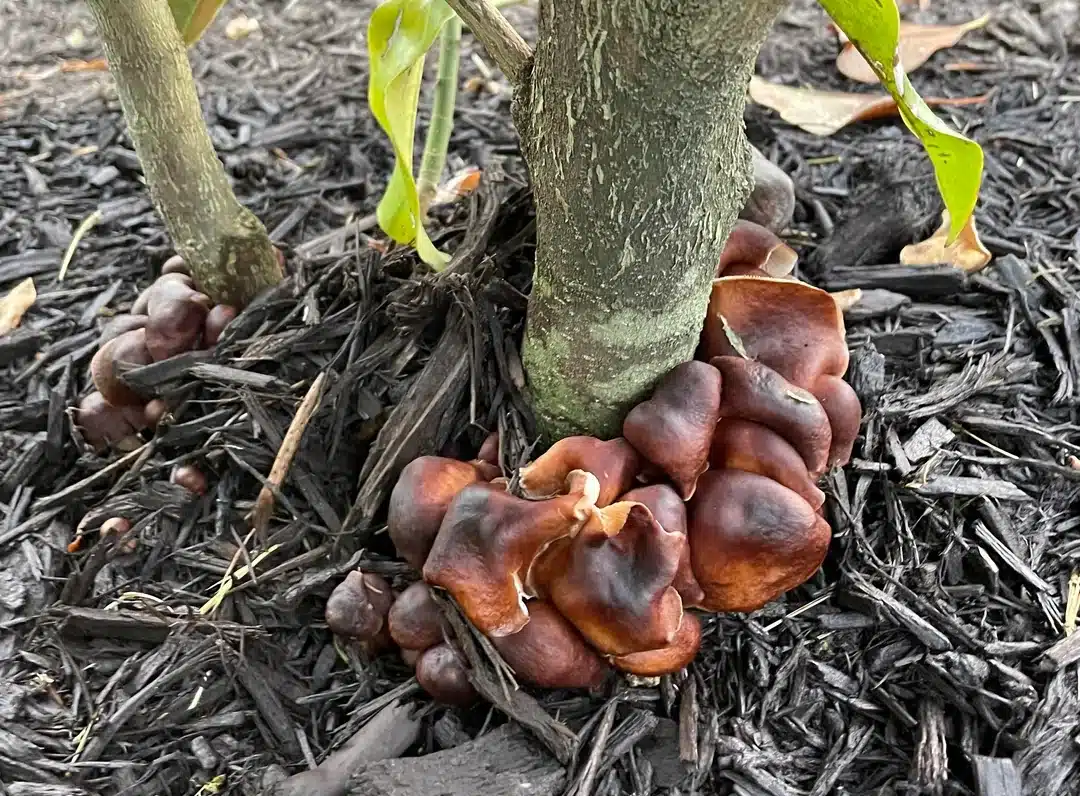
Wood rot is caused by a fungus that attacks the bark of your magnolia tree. One of the most common symptoms is fruiting bodies (or mushrooms) growing on the trunk of your tree. To prevent wood rot, ensure your trees are pruned properly and at the right time.
Treatment: Infected wood should be removed to prevent the spread of fungal spores and prevent healthy areas of the tree from becoming infected. RTEC Treecare then applies a fungicide to the remaining wood. 

magnolia tree with wood rot
magnolia tree with root rot

Root Rot

Unlike wood rot, which sometimes does not show symptoms other than fruiting bodies, root rot comes with various symptoms, including reduced growth and vigor, dieback in the crown, and fungal growth at the tree’s base. Root rot is caused by fungal pathogens that enter the roots of the tree, usually due to the tree being in less-than-ideal conditions. Poor drainage, wounding of exposed roots, wet soil, and poor planting technique can result in root rot.
Treatment: Unfortunately, root rot is generally not curable, so prevention is key. Have one of our certified arborists evaluate the tree to determine if Root Rot is present and if there is a possible treatment.

Magnolia Tree Diseases – Prevention and Treatment

These are just a few of the diseases that can effect magnolia trees. If you suspect that your magnolia tree is having issues it’s best to have a certified arborist take a look and advise a course of treatment.

Magnolia trees are a stunning addition to any yard and are relatively low maintenance compared to many other popular landscape plantings. However, if your magnolia becomes sick, understanding the symptoms and treatments for common magnolia tree diseases can help you keep your magnolia tree healthy and beautiful for many years.

flower

If you suspect that your magnolia tree is having issues, contact our certified arborists for an evaluation. We serve Fairfax, Rockville, Alexandria, and the entire DC Metro Area.


Share the post:

Table of Contents

Schedule A Consultation

Have any questions? Our team is waiting to hear from you!
Meet The Author

Our Latest Posts & Updates

RTEC Treecare The Weekend Tree Adviser August 2026
Newsletters

August 2026 Newsletter

30 Years Strong & Summer Tree Tips Inside Celebrating 30 Years of Growth — Together Thirty years ago, RTEC Treecare started with a simple idea:

Read More »

Join Our Weekly Newsletter

Your privacy is important to us. View our Privacy Policy for details. This site is protected by reCAPTCHA and the Google Privacy Policy and Terms of Service apply.

RTECTreeCare-Logo

To Concerned Citizens,

RTEC Treecare has proudly provided tree care services to the Federal Government for 30 years. During that time, we have worked with over 20 federal agencies across four presidential administrations.

Safety and quality are at the core of everything we do. All work is performed in accordance with OSHA safety regulations and ANSI industry standards to ensure every project is completed professionally and responsibly.

RTEC Treecare is currently performing hazard tree pruning and removal services for the National Park Service at East Potomac Park Golf Course. The trees assigned for treatment have been evaluated and selected by National Park Service arborists based on established hazard assessment criteria.

We want to be clear: RTEC Treecare has not removed any cherry trees at East Potomac Park Golf Course. Our work has been limited to trees identified by the National Park Service as hazardous, non-native, or invasive.

As professional tree care specialists, we are committed to protecting and preserving valuable tree resources while helping ensure public safety.

Every project we undertake is guided by industry best practices and respect for the landscapes and communities we serve.

We remain dedicated to delivering safe, responsible, and high-quality tree care for our clients and the communities they serve.

RTEC Treecare

Call The RTEC Emergency Hotline!

Before You Go...

Feel free to leave your contact information on our online form.  A consultation is always free, and it’s the first step towards finding a solution for your trees!

RTEC Treecare Local City Hall