Many people know about spring cleaning, but few dwell on fall prevention. Fall serves as a good time to winterize, or prepare, your shrubs and trees for the expected climate change. But what does that preparation look like? Some of our most frequently asked questions around this time of year include; Is it time to prune? If so, what plants should be pruned in the fall? Should bushes be cut back in the fall? In all honesty, there is no “one size fits all” answer to these questions. The best time to prune is truly dependent on the kind of shrub or tree you have!
By using our guide below and seeking the guidance of an arborist, you can guarantee you are pruning when it is best for your plants! The timing of the work is the key component to reaping the benefits of fall pruning.

Why Fall Pruning is so Important for Your Tree’s Health
It’s not uncommon to hear that you shouldn’t prune your trees in the fall. Pruning is known to promote new growth, meaning it is often ideal for late winter and early spring. While its true that fall is a tricky time to prune, there are many benefits to it! Once a tree has lost its foliage, trained arborists are easily able to determine healthy limbs from dead, sick, or hazardous ones. Additionally, with less foliage in the way, the desired work can be done more efficiently and accurately. Below are the three main types of pruning best conducted in fall!
Prune Out Diseased Branches
The first reason is to prune out diseased or infected branches. Just as your tree goes dormant in the winter, so do many pests and diseases. If your plant is already infected, then autumn is a great time to remove the infected plant material. This can prevent the nuisances from reemerging in spring.

Prune Out Dead Branches
As we think of what to prune, one of the most obvious scenarios is when we find dead branches. Dead, or dying branches do not serve the tree. In some cases they can actually be more detrimental to the tree’s health. While it may seem impossible to an untrained eye, arborists can easily spot dead branches that should be removed versus healthy leafless branches.

Prune Out Hazardous Branches
If you’ve noticed a suspended, hanging, or weak limb on your tree, leaving it there throughout winter can increase the likelihood of it breaking/falling. Winter winds or heavy snow can send hazardous limbs crashing down onto your property or home! We always recommend erring on the side of caution when it comes to safety.

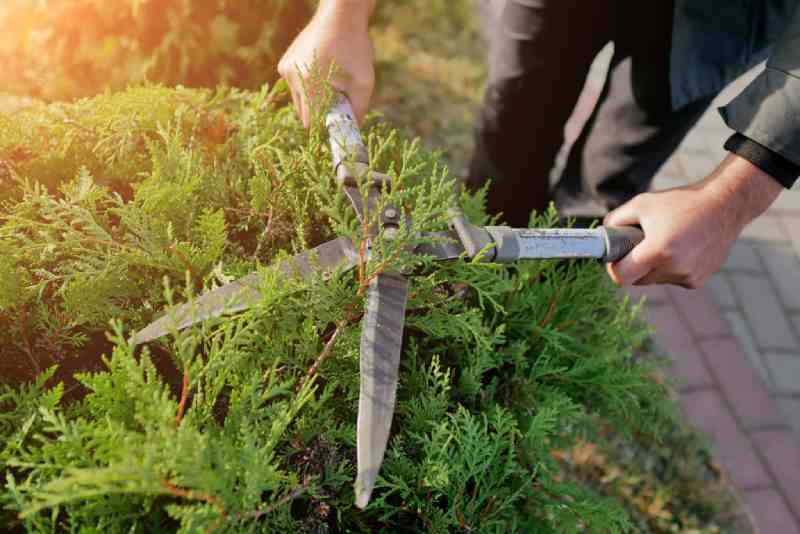
How to Get the Most Out of Your Autumn Pruning
The truth is, there are a lot of trees and shrubs that should not be pruned during the fall. But in a yard abundant with trees, who can keep track of what needs to be pruned when? An arborist! Not only can an arborist tell when to prune, but their expert crews have the techniques to execute the work without creating additional damage. The best way to get the most from your pruning is to let a professional tree care company do the work! The consequences of a bad fall pruning are too great a risk!
If left unaddressed trees can grow more susceptible to disease and insect infestation in the fall. The same goes for all woody plants, trees and shrubs. It is crucial to keep up with your trees and shrubs through plant health care and annual/semi-annual pruning. But how do you know if its time?
What plants should be pruned in the fall?
As you clean up your home garden, notice your butterfly bush is looking overgrown from a lively summer, or perhaps your fruit trees and bushes are nearing the end of their crop production. It may be time to take inventory of the types of trees and shrubbery throughout your property to evaluate if they need attention. It’s important to note, if the species in question is flowering, and if so, when?
Flowering: Now through the start of spring! Pruning during this timeframe provides visibility to the plant’s structure.
- Roses
- Hydrangeas
- Butterfly Bush
- Rose-of-Sharon
Non-Flowering: Any time except fall, due to the plants susceptibility to cold weather related damages.
- Burning Bush
- Boxwoods
- Barberry
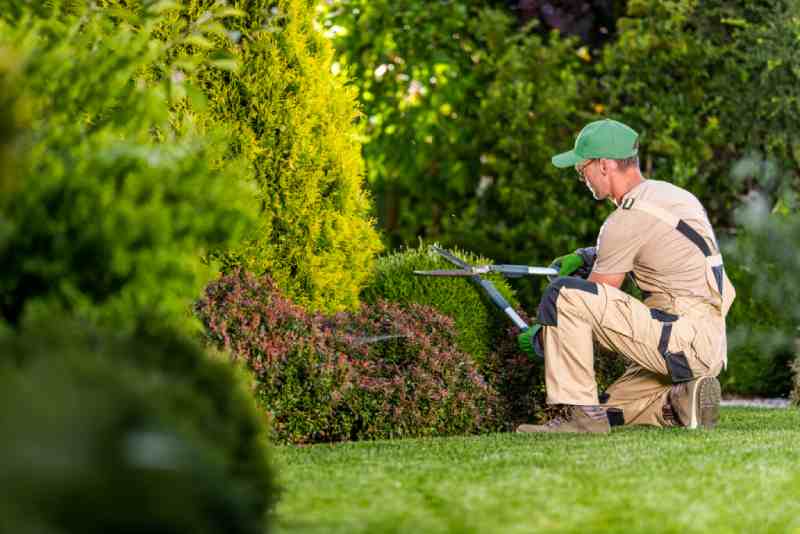
Fall Pruning Blunders to Avoid
Don’t break out those pruning shears just yet! Pruning is a skill that requires more skill than one might assume. While many people approach their trees and shrubs with the best of intention, there is a risk that they can leave them worse off, or even “botched”. We don’t recommend you try it yourself, but rather call on us!
Common Pruning Mistakes:
- Pruning when its wet
- Removing healthy plant material
- Spreading diseased material
- Opening up new wounds that can get infected
- Attempting to prune near electric wires
Our certified specialists have the experience and expertise it takes to identify and properly care for your trees and shrubs by determining where to cut. That knowledge can help avoid the risk of disease, decay and further injury that might eventually lead to replacing entire trees and shrubs. Considering the value that healthy plants add to your property, we encourage homeowners to protect their investments. Do not fret, you can take action today by calling us to help prevent any irreversible damages to your Maple Birches, Hydrangeas and more!