The spruce spider mite (Olibonhychus ununguis) is a cool-season mite native to North America and is one of the most destructive kinds of spider mites for Evergreens. Spruce spider mites thrive during the spring (March-June) and fall (September-November) especially in colder, wet weather like the kind the DC metro area has been experiencing recently.
What’s The Damage?
These plant-sucking mites feed on the chlorophyll-containing sap from the needles of the tree. Needles that have been feed on will not recover from the chlorophyll loss and will die. Spruce spider mites grow rapidly in population and can cause a lot of damage before you even notice a problem. Large trees typically experience some dieback but generally recover while small trees and shrubs may die from an infestation of Spruce Spider Mites.
Species Targeted
Spruce spider mites prefer Colorado blue spruce, Norway spruce, dwarf Alberta, and white spruce. But despite its name, it will also feed on arborvitae, cedar, dawn redwood, Douglas fir, hemlock, juniper, larch, and pine.
Signs & Symptoms
- Stippling on needles
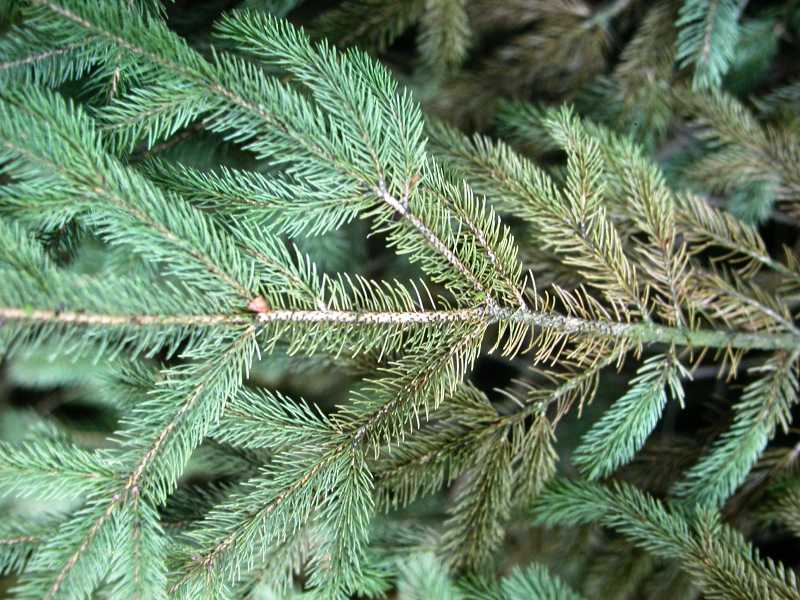
- Yellow or rust-colored needles
- Premature needle drop
- Fine webbing in needles
Damage is typically heaviest at the bottom and inside of the tree.


Treatment for Spruce Spider Mites
Miticides are targeted treatments for mites that can control their population on your trees and shrubs. If you have a large population of Spruce Spider Mites, this may be the best option for treatment.
Beneficial Insect Release is a great natural and organic way to control the Spruce Spider Mite population on your trees and shrubs. In this treatment insects that feed on Spruce Spider Mites are released onto the trees and shrubs on your property utilizing the food chain to control your mite issue.
Horticultural Oils can be used to control mite populations in a preventative measure and if caught early enough in the season. If you’ve had prior infestations of Spruce Spider Mites ask your Arborist about Fall and Early Spring Horticultural Oil applications.