If you have Lilacs, Peonies, Dogwoods, or Crape Myrtles you may have noticed an unsightly white substance building up on the leaves of your trees and shrubs in the next couple of weeks. The culprit? A fungus called Powdery Mildew which partially starves the tree and stresses it making the tree susceptible to diseases and insect infestations. Powdery mildew increases around this time of year when we experience long bouts of high humidity.
Tree Susceptible To Powdery Mildew:
As one of the most common and widespread plant diseases, this fungus can affect a wide range of plants and trees. However, our Arborists warn that Lilacs, Peonies, Dogwoods, and Crape Myrtles are especially susceptible in this area.
Powdery Mildew Symptoms:
Symptoms are typically seen on trees that are shaded and lack good air flow. The fungus is most commonly observed on the upper side of leaves but it can affect the bottom sides of leaves, young stems, buds, flowers, and young fruit.
Powdery Mildew Is Characterized By:
spots or patches of white to grayish, talcum-powder like growth.
Powdery Mildew coats the trees leaves blocking the process of photosynthesis which turns light into food for trees and shrubs. Every year trees and shrubs rely on their food reserves to push out new leaf growth. These newly produced leaves must then replenish the food supply through photosynthesis. When this process is interrupted by powdery mildew the food reserves aren’t replenished and the tree/shrub’s growth will be stunted which can affect overall health. The stress caused by Powdery Mildew will also make the tree more susceptible to other diseases and insect infestations.
How To Treat Powdery Mildew?
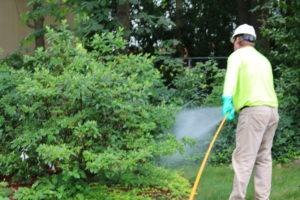
Luckily Powdery Mildew can be treated by a Certified Arborist with fungicide treatments. If you think your trees or plants have Powdery Mildew schedule an appointment with one of our Certified Arborists to receive a customized treatment plan for your tree.
How To Prevent Powdery Mildew?
If your trees don’t already have Powdery Mildew you can prevent the fungus by following the tips below!
When purchasing a new tree or plant make sure they are Powdery Mildew resistant such as Cherokee Brave Dogwoods.
Plant susceptible trees and shrubs in full sun.
Water susceptible plants from below. Use drip lines or hoses instead of sprinklers that wet the plant’s leaves.
Rake all leaves and remove them from the property so fungus and diseases don’t overwinter in the leave piles and re-infect your trees/shrubs next spring.
RTEC TreeCare has been your premier destination for customizable tree care solutions for over 25-years. Our expert team of certified arborists and tree care professionals is committed to preserving the health and beauty of your trees while ensuring the safety of your property. With a focus on environmental sustainability and the latest industry practices, we offer a wide range of services, including tree trimming, pruning, emergency tree removal, disease treatment, and more.
RTEC TreeCare has been your premier destination for customizable tree care solutions for over 25-years. Our expert team of certified arborists and tree care professionals is committed to preserving the health and beauty of your trees while ensuring the safety of your property. With a focus on environmental sustainability and the latest industry practices, we offer a wide range of services, including tree trimming, pruning, emergency tree removal, disease treatment, and more.
Feel free to leave your contact information on our online form. A consultation is always free, and it’s the first step towards finding a solution for your trees!