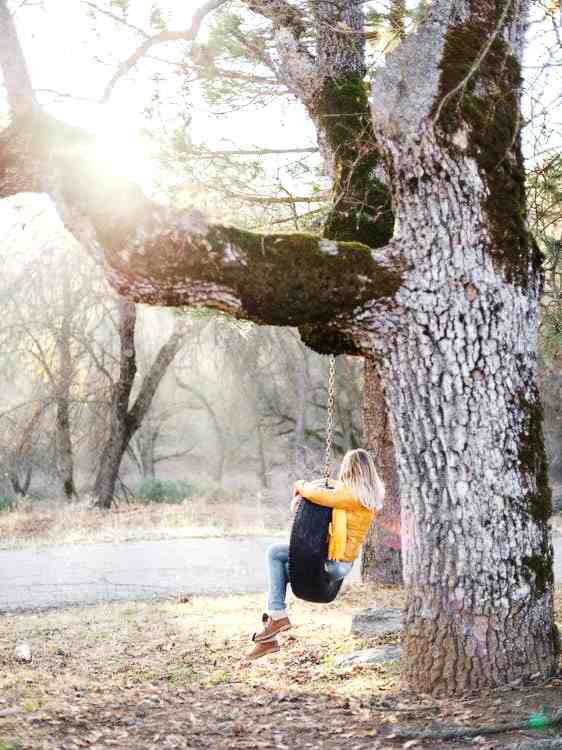
For many homeowners, older trees are like family. They’re friends. They’ve been there through the good times and the bad. They also bring both aesthetic and landscape benefits.
- provide shade
- save energy
- minimize stormwater runoff
- improve air quality
- provide wildlife habitat
- increase property value
And, for many people, the old tree itself holds even more meaning to them and their family. Their tree holds sentimental value; after all, they’ve been with them and their homes for years.
Just like people, however, the older they get the more vulnerable they are. This makes it even more crucial to keep a watchful, proactive eye on the tree’s needs and care.
What is a Mature Tree?
Just like humans, trees have a life cycle that goes from optimistic seed to unfortunate snag. You may be asking, “What makes a tree mature?” or “What is considered a mature tree?” Well, unfortunately there is no cookie cutter answer. Tree maturity is dependent on the species of tree and is defined by whether it has reached its full height and crown size and if fruits are growing or flowers are blossoming on the tree.
If you want to know if your tree is mature, you can ask when meeting with one of our Certified Arborists.

How to Care for an Old Tree
One of the first steps to caring for older trees is understanding that their core focus isn’t on growth, it’s on survival. They’re actively working to maintain their health. After all the stress they’ve been through in their long lifetime, from storms to pests, who could blame them?
Which brings up another characteristic trees have in common with humans: the need for regular checkups. This especially rings true for older trees.
Below are reasons why older trees require ongoing, proactive care and maintenance.
- It’s
harder for older trees to cope with stress, which makes them more susceptible
to disease and infestations. - Once
the disease or infestation hits the older tree, the more difficult it is to
restore the tree back to optimal health. - Typically,
when pests are seen in old trees, they’re actually secondary invaders which
means the tree has been weakened for some time and is therefore more difficult
to treat.
Caring for an older tree is all about prevention, maintenance, and proactive rather than reactive care. If you have a mature tree you care about, contact us to meet with one of our Certified Arborists and discuss our Older Tree Care Package.