
(703) 260-9444 MAKE AN APPOINTMENT

Cicadas – How To Protect Your Trees

Cicadas

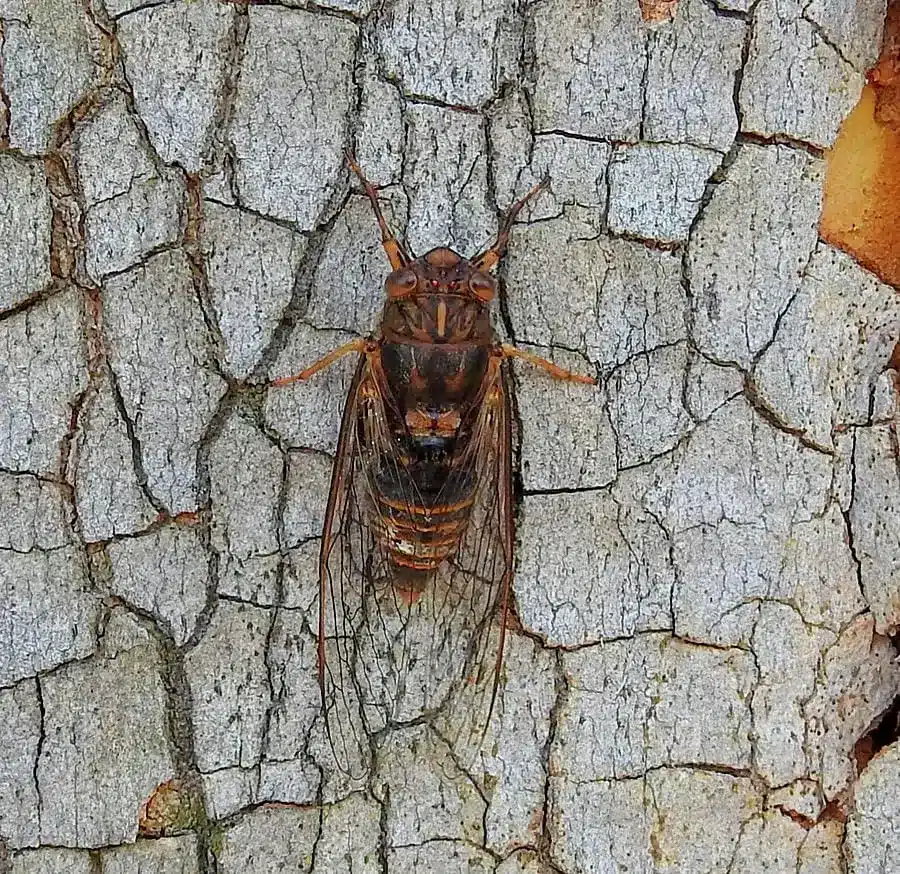
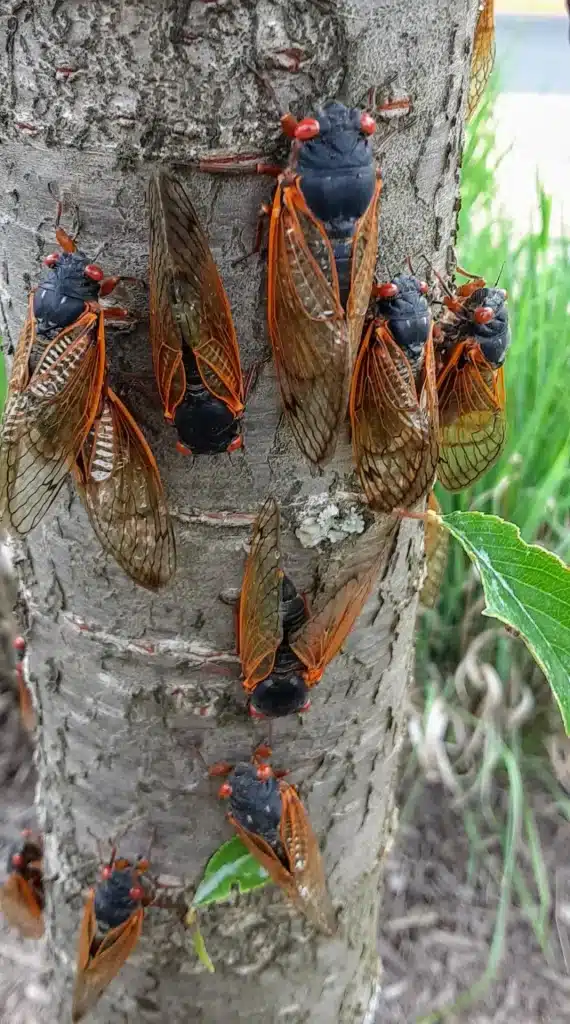
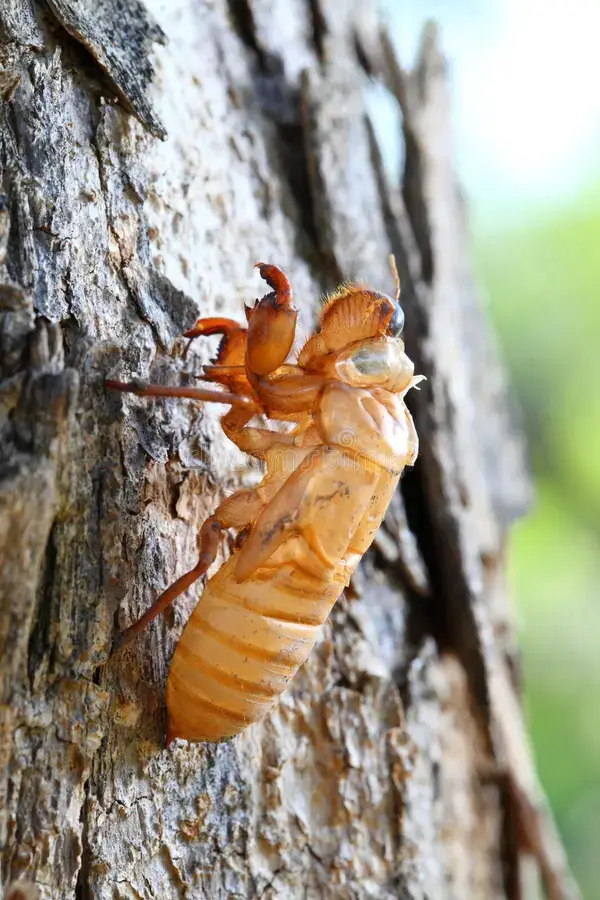
You probably remember seeing these giant insects in 2004, with their black bodies, bulgy red eyes, and see-through wings, shedding their skin and clumsily flying through the air. And you likely heard them making noises at night while you were trying to fall asleep.

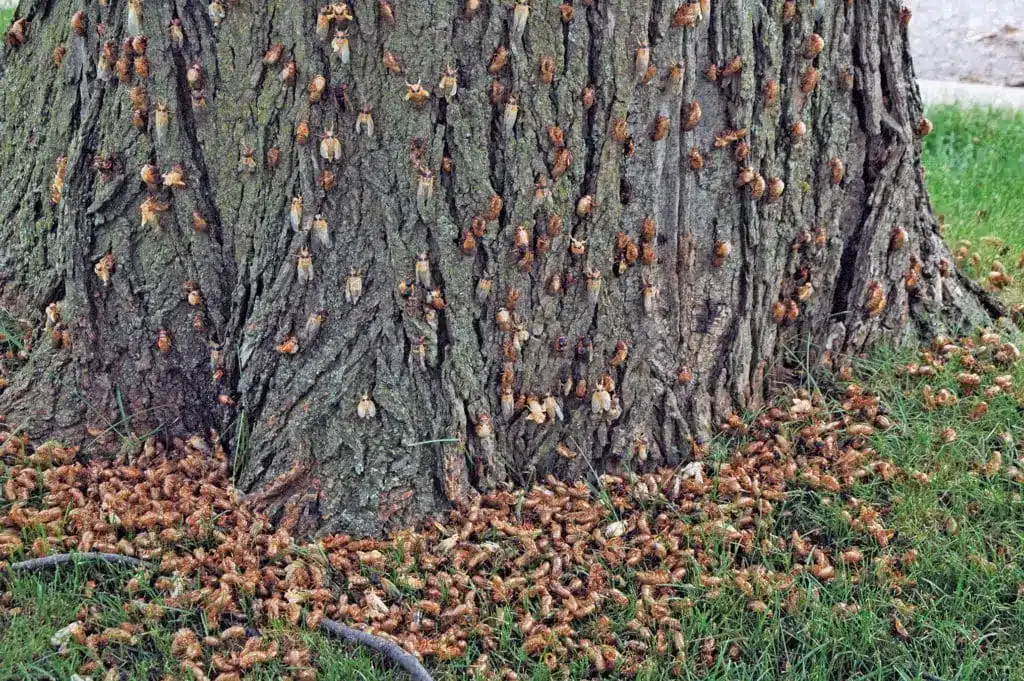
Every 13 to 17 years, periodical cicadas emerge in the various regions of the United States and can cause temporary and lasting damage to trees.

Cicada close up shot
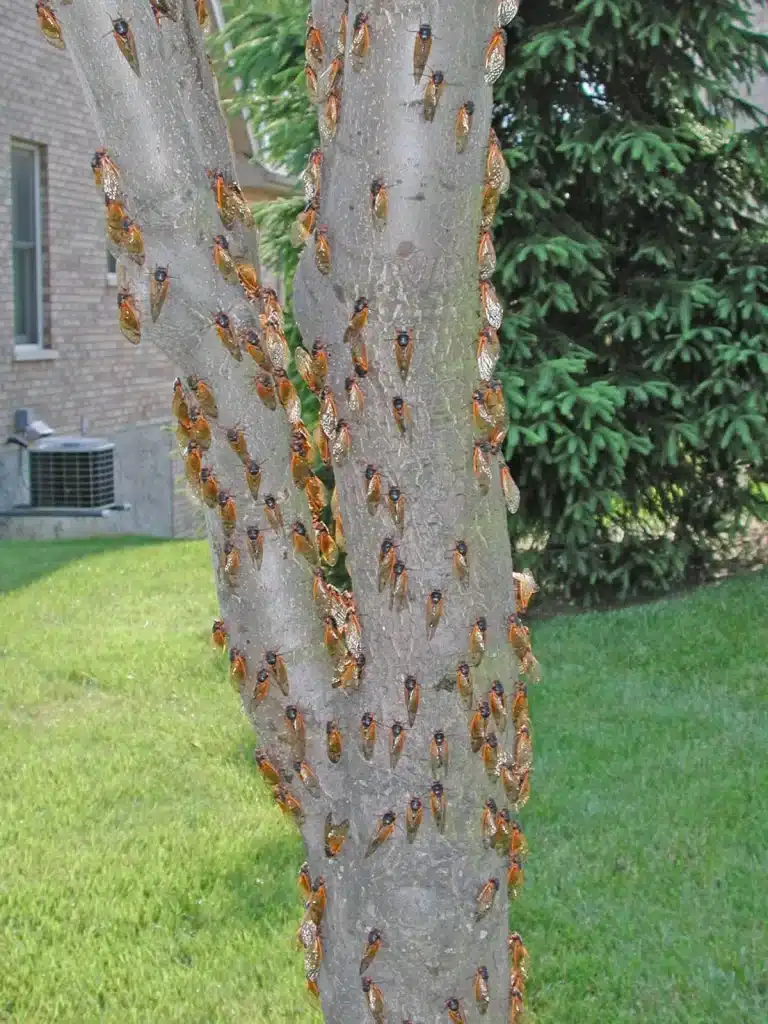
Tree full of cicadas

Tree Damage

About 10 days after you first hear the cicada chorus, the females begin laying their eggs, which is when the tree damage comes in.

Female cicadas rip into the branches of trees to lay their eggs under the tree’s bark. Within about a month, females lay up to 400 eggs in 40 to 50 pockets under the bark of trees.

Tree full of cicadas
Close up of cicada shell

How Do Cicadas Damage Trees?

Trees may experience damage during the egg laying process, as the female cicada lays her eggs under the tree or branch bark. Laying eggs in this manner commonly causes the stem beyond the egg pockets to die. This tends to result in broken branch ends and wilted leaves: signs that flagging has occurred.

When a tree goes through this type of repeated damage, it can become stressed. Due to the stress and ripped open tree bark, the tree becomes more susceptible to disease and insect attacks.

Younger Trees: The bug may bring slightly more risk to younger trees, especially if they are ornamental fruit trees. Female cicadas are more drawn to smaller trees, as they are more driven to lay their eggs on their branches.

Older Trees: Mature, established trees are stronger and are easily able to recover from the loss of branch ends.

Fortunately, overall, the tree bug bears little damage on a landscape. The issues the insect presents are mainly cosmetic and should cause little to no worry.

Are Cicadas Dangerous To My Trees?

As the damage cicadas leave on trees is mainly cosmetic and poses little overall risk, these flying insects are not considered pests and do not kill trees. They come for the sole purpose to reproduce and are gone within a few weeks.

Still, you may want to be on the look-out to make sure your trees are safe from the emergence this year.

Here are the trees most susceptible to cicada damage:

Preferred host trees: elm, chestnut, ash, maple, and oak.

Small or ornamental trees: Small, young trees, especially those 4 feet and under, have the highest risk of dying from cicada damage. In these cases, the tree usually cannot sustain itself after it’s had the majority of its branches killed off by cicadas laying eggs.

NOT healthy trees over 6 feet tall: Healthy, older trees will not be significantly affected by cicadas laying eggs; however, they can become stressed and might develop insect or disease complications because of the wounds left behind by the cicadas.

Tree full of cicadas
Protecting plants against Magnolia tree disease

How Can I Protect My Trees from Cicada Damage? 

While you can’t entirely get rid of cicadas, you can try protecting your landscape from them. 

Hold off on planting new trees: If you’ve been wanting to add new trees to your landscape, we recommend waiting until after cicada season, in the fall, as younger trees are most vulnerable to damage.

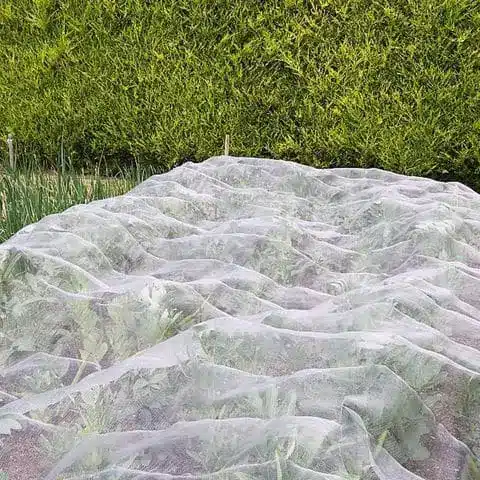
Netting For Small, Newly Planted Trees: If you have a newly planted tree that is under four feet tall, you can try to protect your tree with netting. To apply, drape the netting over your tree and fasten it securely around the trunk. When done properly, you can potentially prevent bugs from crawling up from underneath.

Note: Netting is known to fly off trees and might lead to foliar diseases if left on too long. If netting is used, we recommend leaving it on only during the egg-laying period (the only period the tree is really susceptible to damage). An easy way to identify that the egg-laying period is over is if you stop hearing cicada buzzing!

Don’t Attack Them With Pesticides:

Pesticides do not effectively manage cicadas. On top of that, as an environmentally friendly company, we don’t recommend pesticides as they are not eco-friendly. Pesticides rid your tree of beneficial insects that prevent your tree from harmful insects and diseases.

Give Them Some Extra TLC After Cicada Season:

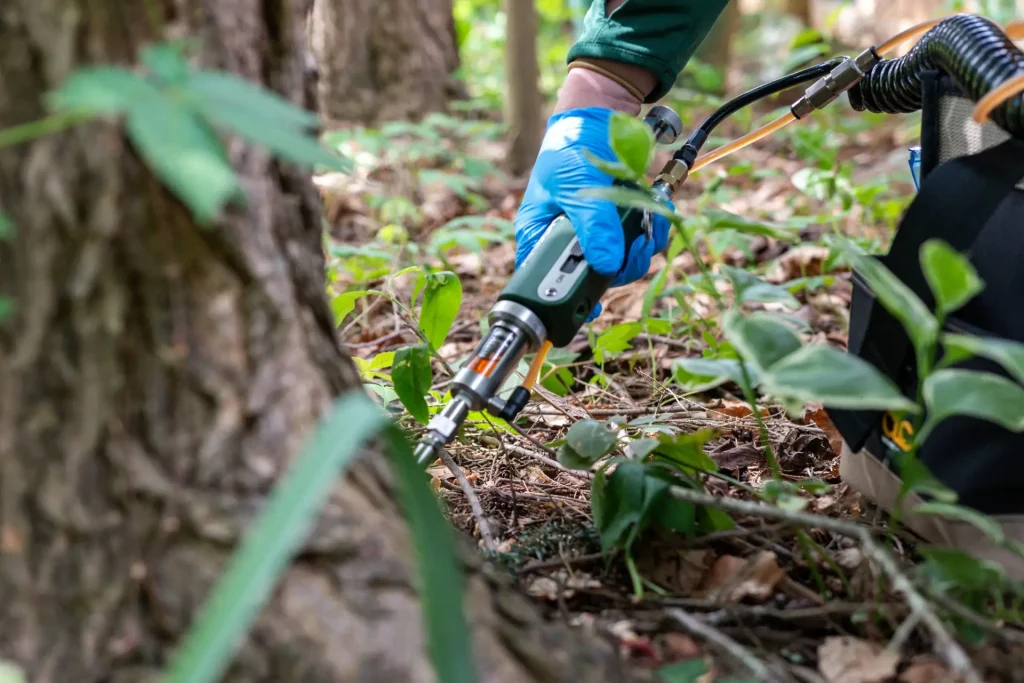
Bio-stimulants: Biostimulants are often the #1 recommendation our Certified Arborists give to homeowners. They’re the all-natural, organic multivitamin for your plants that can help bolster your trees’ overall health by making sure their roots have all the nutrients they need. Naturally, they are apart of our annual Canopy Protection Program, also known as our total tree & shrub care program.

Post-Cicada Pruning: Removing the deadwood created by cicadas will help your tree look better and stay healthy. Also, pruning within 6-7 weeks after they lay eggs (before they hatch) will reduce the population in your landscape. This helps make the next emergence easier to manage.

Keep Them Hydrated: In order to recover and not contract any other diseases, make sure your tree doesn’t experience any additional stress from drought. Be sure to keep them watered throughout the hot days of spring, summer, and early fall. Check out our watering tips.

Protecting tree against Magnolia tree disease
Family of a family in the fall

If you need help handling your Cicadas, give us a call at 703.573.3029 or book an appointment online and one of our Certified Arborists can evaluate your tree to see what the issue is and provide an all-natural solution.

Share the post:

Table of Contents

Schedule A Consultation

Have any questions? Our team is waiting to hear from you!
Meet The Author

Join Our Weekly Newsletter

Your privacy is important to us. View our Privacy Policy for details. This site is protected by reCAPTCHA and the Google Privacy Policy and Terms of Service apply.

Call The RTEC Emergency Hotline!

Before You Go...

Feel free to leave your contact information on our online form.  A consultation is always free, and it’s the first step towards finding a solution for your trees!

RTEC Treecare Local City Hall