

As fall transitions toward winter in Virginia, your trees and shrubs need specialized attention to prepare for the dormant season ahead. While many homeowners believe their work is finished once the growing season winds down, late fall represents a window of opportunity for plant health care that directly impacts how well your property will perform come spring.
This article will walk you through the essential components of end-of-season plant care that Virginia homeowners should understand, as well as why professional plant health treatment matters.
Why End-of-Season Care Matters
The climate in Virginia poses specific challenges for trees and shrubs as they enter dormancy. Urban areas stress trees due to cramped spaces, compacted soil, and heat from nearby structures and pavement.
As temperatures decrease, the upper growth of plants slows, but the roots remain active in the warmer soil below. The cooling temperatures of fall give plants a chance to boost their carbohydrate reserves and promote root growth while the leaves keep photosynthesizing. Plants that enter winter without adequate preparation experience increased risk of winter injury, pest problems, and sluggish spring recovery.
Deep Root Fertilization Before Winter
Surface fertilization alone doesn’t reach where plants need nutrients most during the fall. Tree and shrub fertilization is essential in Virginia’s urban and suburban areas, where construction has often changed the soil. Urban soils are usually compacted, have poor drainage and aeration, and lack organic matter.
Applying fertilizer in late summer or early fall can cause non-hardy new growth, but it is acceptable to fertilize once plants are dormant in the fall. Professional arborists know the right timing, formulation, and application method for your specific trees and soil conditions. They can also identify nutrient deficiencies through soil testing and visual inspection, creating custom-blended treatments appropriate for your property.
Preventive Treatments for Common Virginia Pests and Diseases
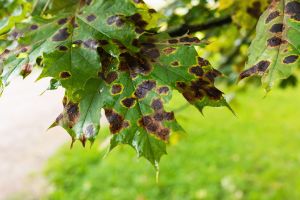
Fall treatments for insects, mites, and fungal diseases work because they target problems before winter dormancy begins. The Virginia Department of Agriculture and Consumer Services monitors several significant forest pests and diseases in the state, including emerald ash borer, spotted lanternfly, spongy moth, and hemlock woolly adelgid.
The most effective approach to reducing insect and disease impact involves alleviating environmental stresses that limit a tree’s ability to defend itself against attack. Professional treatment programs address both current infestations and preventive protection against these threats while minimizing impact on beneficial insects.
Fall Watering for Winter Preparation
Many homeowners stop watering once cooler weather arrives. Still, trees and shrubs need adequate soil moisture before the ground freezes, especially evergreens that continue losing water through their needles during winter. Plants experiencing water stress are more susceptible to disease and insect damage, and may suffer injuries to their foliage or roots.
Evergreens need deep watering in autumn if rainfall is low, as they continue to lose water during winter, especially on warm, sunny, or windy days. Professional plant health care programs include monitoring soil moisture levels and providing supplemental irrigation when needed.
Proper Mulching Techniques for Winter Protection
Mulching ranks among the easiest yet most impactful practices for maintaining tree health through winter. When applied correctly, mulch helps water infiltrate the soil, reduces temperature fluctuations and moisture evaporation, suppresses winter weed germination, feeds the soil ecosystem, and improves overall soil structure.
Application method matters tremendously. Mulch should never touch the tree base, as this can cause rot and “volcano mulching,” where mulch piles high against the trunk, can lead to disease, decay, insect damage, and girdling roots. Professional arborists apply mulch correctly: to as wide an area as possible, at the proper depth for the material type, and maintaining space around the trunk.
Professional Inspection and Diagnosis
Your trees and shrubs will benefit from a thorough professional inspection before winter arrives. Trained arborists look for signs that homeowners often miss: color changes indicating nutrient deficiencies, early stages of disease, scale insects, mites, drainage issues, and soil compaction. Detecting small issues early helps you avoid costly repairs later.
An arborist can identify which plants are at the highest risk heading into winter and recommend targeted interventions to address specific concerns. Fertilization may not be advantageous for a plant experiencing stress due to inadequate soil aeration or drainage, waterlogged conditions, insufficient light or space, or significant pest issues.
Partner With RTEC Treecare for End-of-Season Care
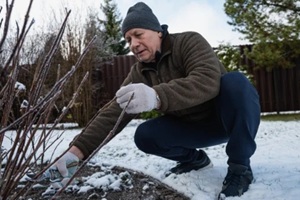
Your Virginia property deserves professional attention as the growing season comes to a close. RTEC Treecare has nearly three decades of experience providing environmentally responsible tree and plant care to homeowners throughout Virginia.
Our team of ISA-certified arborists is aware of the particular challenges that trees and shrubs in Virginia contend with as winter draws near. We provide inspections, deep-root fertilization, preventive treatments, proper watering assessments, and professional mulching services.
As a TCIA-accredited company, we combine proven processes with environmental stewardship to provide your plants with targeted care while protecting the broader ecosystem. Our approach, centered on preservation, prioritizes sustainable plant health over short-term solutions.
Allow our skilled team to get your property ready for winter and create the perfect environment for a vibrant and healthy spring.
Call (703) 573-3029 or contact us online to schedule your end-of-season plant health assessment. Our professional plant care services in Virginia can protect your investment and enhance your property for years to come.