

As autumn winds down and winter approaches, Northern Virginia homeowners have a narrow window of opportunity to prepare their trees for the challenging months ahead. The period between mid-October and early December represents an essential time for tree maintenance, when proper care can mean the difference between flourishing landscapes and costly damage come spring.
This article covers essential late fall tree care practices, from pruning strategies to soil management, and explains why professional assessment is the smartest investment you can make before winter arrives.
Comprehending Late Fall Tree Biology
Trees in Northern Virginia experience significant physiological changes as temperatures drop and daylight hours shorten. Deciduous trees enter dormancy as a survival mechanism, redirecting energy from leaves to root systems and internal structures. This dormant period creates ideal conditions for specific maintenance activities.
The transition into dormancy makes late fall an excellent time for professional intervention. Trees experience less stress from pruning and other treatments when sap flow decreases, and insect activity diminishes.
Strategic Pruning during Dormancy
Late fall pruning serves multiple purposes for properties in Northern Virginia. Professional arborists can remove dead, diseased, or damaged branches that pose risks during winter storms. Dormant-season pruning minimizes disease transmission and improves visibility of the tree structure without foliage obstruction.
Storm preparation becomes particularly important in this region, where heavy snow and ice loads can cause significant branch failure. Weak or poorly attached limbs that might survive gentler seasons often fail under winter-stress conditions. Professional assessment identifies these vulnerabilities before they become expensive problems.
Proper pruning technique matters enormously. Improper cuts can provide access for pathogens or lead to structural weaknesses that may last for years. Certified arborists understand species-specific growth patterns and make cuts that promote healthy wound closure and optimal architecture.
Soil Care and Root Zone Management
What happens below ground during late fall often determines spring vigor. Tree roots continue growing until soil temperatures drop below 40 degrees Fahrenheit. This extended growth period makes fall an optimal time for soil amendments and root zone improvements.
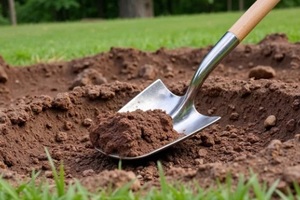
Compacted soil presents a common challenge on residential properties. Years of foot traffic and heavy equipment use create dense soil conditions that restrict root growth and water infiltration. Professional soil assessment can identify compaction issues and recommend appropriate remediation strategies.
Mulching serves multiple functions heading into winter. A proper mulch layer insulates roots from temperature extremes, retains soil moisture, and gradually adds organic matter as it decomposes. However, mulch application requires expertise to avoid common mistakes, such as volcano mulching, which can encourage disease and pest problems.
Addressing Disease and Pest Concerns
Late fall provides a strategic window for managing specific tree health issues. Many fungal pathogens become less active in cooler temperatures, making this an adequate time for treatment applications. The USDA Agricultural Research Service studies pathogen life cycles that help inform the timing of preventive treatments.
Insect pest management also benefits from late-fall interventions. Some borers and other damaging insects overwinter in tree bark or surrounding soil. Professional arborists can apply appropriate treatments or implement monitoring systems that provide early detection come spring.
Proper disease management requires accurate diagnosis. What appears to be a simple aesthetic issue might indicate serious structural compromise or systemic infection. Certified arborists possess the training to distinguish between cosmetic concerns and genuine threats to tree health and safety.
Winter Storm Preparation
Winter weather patterns in Northern Virginia demand proactive preparation. Ice storms, intense snowfall, and powerful winds can wreak havoc on unprepared environments. Professional storm preparation goes beyond simple pruning to include:
- Cabling and bracing systems for trees with weak branch unions or co-dominant stems.
- Crown reduction for trees with excessive weight in vulnerable locations.
- Complete hazard tree assessment for specimens showing signs of decline or structural deficiency.
- Evaluation of trees near structures, power lines, or high-traffic areas where failure could cause significant damage.
Risk assessment requires specialized knowledge. Factors such as tree species, age, health status, site conditions, and exposure all influence failure probability. Certified arborists use standardized assessment methods to determine risk levels and recommend appropriate mitigation strategies.
Young Tree Establishment
Recently planted trees need special attention as they head into their first or second winter. Newly established trees are particularly vulnerable to winter stress, including frost heaving, desiccation, and animal damage.
Professional care for young trees includes proper staking, guidance on watering, and protection against deer browse and rodent damage. The investment in professional establishment care pays dividends in long-term tree health and survival rates.
Protect Your Investment With RTEC Treecare

Your landscape in Northern Virginia represents a significant investment that deserves professional attention. As winter approaches, the decisions you make now will impact your property’s health and value for years to come. RTEC Treecare brings nearly three decades of experience in preservation-based tree care to residential properties throughout the region.
Our ISA-certified arborists provide thorough assessments that identify both immediate concerns and long-term management strategies.
Call RTEC Treecare at (571) 500-1782 or contact us online to arrange a consultation and make sure your landscape is ready for the winter season. Allow our team to assist you in making knowledgeable choices that protect both your trees and your investment.