
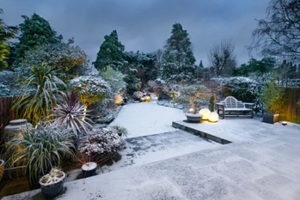
Winter in Northern Virginia means freezing temperatures, ice storms, and unpredictable weather that can put significant stress on your trees. While trees enter a dormant phase during the colder months, they remain vulnerable to threats from harsh conditions, structural weaknesses, and pest activity.
Adequate preparation at this stage can determine whether trees flourish in the spring or endure long-term damage. This guide will take you through the steps to get your trees ready for winter.
1. Schedule a Professional Tree Inspection
The best time to identify potential problems is before winter weather arrives. Winter is an ideal time for tree inspections, as the lack of leaves makes it easier to spot structural weaknesses, cracks in the trunk, signs of disease, pest infestations, and safety hazards that foliage typically hides.
Trained arborists have specialized knowledge to evaluate your trees properly. They can recommend targeted treatments and preventive measures specific to your property’s needs, giving you peace of mind before the first snowfall.
2. Arrange Professional Pruning Services
The best time of year to prune established trees is during winter dormancy. Dormant pruning is less stressful on trees because they’re already in their rest period, and disease and pest problems are significantly reduced during the winter months.
- Professional arborists can strategically remove:
- Dead, dying, or diseased branches
- Limbs with poor attachment angles
- Branches that rub against each other
- Growth that interferes with structures or power lines
All pruning cuts are an injury to the tree. Pruning should happen only when absolutely necessary and done with caution. This is why working with certified professionals is so important. They understand proper cutting techniques and tool sanitation without compromising tree health.
3. Maintain Proper Watering Through Fall
Many homeowners assume trees don’t need water once temperatures drop. This misconception can lead to severe damage. The dry air, low soil moisture, and potential droughts of late Fall can damage plants without supplemental water to offset these conditions.
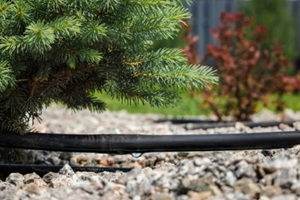
Continue watering your trees through fall until the ground freezes. Evergreens do not go dormant in the winter and are still actively respiring, losing water through their needles; only water when the temperature is above 40°F. Check soil moisture weekly by digging 4 to 6 inches under the tree’s drip line, and water at the drip line rather than directly against the trunk. Once the ground freezes solid, stop supplemental watering.
4. Apply Protective Mulch Correctly
Proper mulching is one of the easiest ways to maintain tree health. The Virginia Department of Forestry explains that mulches effectively regulate the soil microenvironment by minimizing temperature variations at the soil surface. The USDA adds that, as a result, soil temperatures remain cooler during summer and warmer throughout winter compared to areas of bare ground or turf. Professional application matters. Apply fresh wood chips 4 to 6 inches deep as follows:
- Partially decomposed wood mulch, 3 to 4 inches deep
- Other types of mulches, 2 to 3 inches deep
- Never pile mulch against the tree trunk.
Volcano mulching is an improper mulching technique in which mulch is piled high against a tree’s trunk, potentially causing disease and decay due to moisture collecting on the trunk. Instead, create a doughnut shape around the tree, keeping mulch several inches away from the bark.
5. Address Pest and Disease Concerns
Winter preparation includes managing threats that could worsen during dormancy. A certified arborist can identify signs of infestation or disease that require treatment before winter, including fungal diseases, insect eggs overwintering in bark, cankers or decay, and root problems that threaten stability. Professional treatment applied at the right time protects your trees from developing more serious issues.
Pro Tip: Why Professional Tree Care Matters
Preparing trees for winter requires specialized knowledge of tree biology, proper techniques, and knowing how different species respond to cold stress. Professional arborists spot subtle warning signs that untrained observers miss, catching problems before they become emergencies. Most importantly, they carry the equipment and insurance to handle hazardous situations safely.
Experience Outstanding Winter Tree Care With RTEC Treecare
Don’t wait for winter damage to take action regarding your trees. RTEC Treecare’s certified arborists have decades of experience helping Northern Virginia homeowners protect their landscapes year-round. We combine professional knowledge with an environmentally responsible, preservation-based approach that focuses on long-term tree health.
Our complete winter preparation services include professional inspections, dormant pruning, mulching, pest management, and customized care plans for your specific property. We’ll identify potential problems now and address them before harsh weather arrives.
Reach out to RTEC Treecare to arrange your winter tree evaluation. Call us at (703) 573-3029 or visit our website to learn how we can support the health of your trees year-round. Your trees merit attentive care from a trusted partner committed to the health and safety of both individuals and the landscape.