
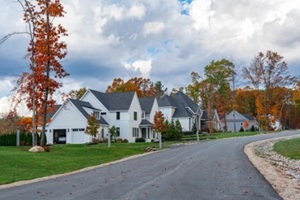
As autumn settles in Virginia, your trees and shrubs are getting ready for their winter dormancy. This transitional season provides a perfect window for plant health care that will protect your landscape investment and set the stage for substantial growth come spring.
This article will walk you through the essential fall plant health care tasks for yards in Virginia and explain why professional care makes all the difference.
Why Fall Care Matters in Virginia
Urban and suburban environments in Virginia create stressful conditions for landscape plants. Compacted soils, limited growing space, and altered drainage from construction leave trees and shrubs struggling to access the nutrients they need.
The Virginia Cooperative Extension (VCE) explains that fertilizing trees and shrubs is essential in urban environments, where soil conditions are often compromised by compaction, poor aeration, and a lack of organic matter.
Fall offers distinct advantages over other seasons. As deciduous trees shed their leaves, they redirect energy below ground. Roots can continue to grow because the soil stays warm, and plants experience less stress from cooler air temperatures. This creates the perfect window for treatments that will strengthen your landscape before winter arrives.
Your Fall Plant Health Care Checklist
1. Professional Inspection and Diagnosis
It is essential to begin a fall plant health care regimen with a complete inspection. Look for signs of pest activity, disease, or stress, such as discolored foliage, premature leaf drop, dead branches, or unusual growths on bark and leaves.
Bagworms create distinctive cone-shaped silk bags that hang from branches and can cause severe defoliation if left unchecked. Scale insects resemble tiny bumps on branches, whereas spider mites result in stippled leaves and yellowing. What may appear insignificant browning could indicate a serious problem that requires urgent care.
Professional arborists are trained to recognize these problems early and recommend appropriate treatments.
2. Deep Root Fertilization

Deep root fertilization supplies nutrients straight to the root zone, allowing plants to absorb them easily. Another recommendation from VCE is to apply fertilizer in early spring and in the fall, as or after plants go dormant. This timing strengthens plants without triggering late-season growth that could be damaged by frost.
3. Pest and Disease Management
Fall treatments address pest and disease issues that build up during the growing season. High populations and outbreaks can negatively impact trees. Horticultural oils and targeted treatments work best when applied at the right time and in the proper way.
4. Proper Watering Through Fall
Before winter sets in, make sure your trees and shrubs have plenty of moisture to stay healthy. The Virginia Department of Forestry recommends deep soaking rather than frequent shallow watering for trees. Keep watering throughout the fall season until the ground freezes, and adjust the frequency based on rainfall.
5. Protect Evergreens From Winter Stress
Evergreen shrubs experience special challenges during Virginia winters. Cold winds and winter sun can pull moisture from foliage faster than frozen roots can replace it. Anti-desiccant sprays form a protective layer that helps minimize moisture evaporation in the winter season. Professional arborists can recommend which plants need treatment based on species and exposure.
6. Remove Dead and Damaged Branches
According to Virginia Department of Forestry guidelines, pruning should focus on safety priorities such as removing unsound or poorly-positioned limbs to prevent personal injury or property damage. Professional arborists understand proper techniques to promote healing and maintain structure.
Why Professional Care Makes the Difference
Plant health care requires knowledge of species, pests, diseases, and environmental stressors. Proper diagnosis, application timing, product selection, and treatment methods all affect results. Certified arborists will understand Virginia’s specific challenges, from soil conditions to common pests, and create customized treatment plans for each property.
Professional care also provides consistency. A structured program establishes that treatments happen at optimal times and in the correct sequence. Your arborist handles the details, keeps detailed records, and adjusts the program as your plants’ needs change.
The efforts you put in this fall will directly influence next year’s outcomes. Trees and shrubs that receive proper fall care enter dormancy in better condition, store more energy, and develop stronger root systems. When spring arrives, these plants break dormancy with vigor, showing healthier growth and improved resistance to stress.
Safeguard Your Virginia Landscape With RTEC Treecare
Your landscape is an essential investment in the beauty and value of your property, and it deserves proper care.
RTEC Treecare has served Virginia property owners since 1996, building long-term partnerships based on results and environmental responsibility. Our certified arborists will assess your landscape, identify any existing problems, and create a customized fall plant health care program.
Call RTEC Treecare at 703-573-3029 or contact us online to schedule your fall assessment and protect your landscape investment.